

Have you ever looked at a snow-covered mountain and wondered, “How does all that snow just sit there?” Well, let’s jump into the frosty enigma of Eawodiz Mountain and uncover the secrets behind its snowy white cap. It’s quite a story, filled with geography, climate quirks, and a sprinkle of nature magic. So grab a warm drink and join us as we explore why Eawodiz looks like a winter wonderland all year round.
Why Eawodiz Mountain Is Covered With Snow

Eawodiz Mountain sits proudly in a unique geographical location that plays a significant role in its snow coverage. Nestled within a range that boasts rugged terrains and steep slopes, this mountain is positioned at coordinates that invite chilly weather. Its latitude and elevation mean it captures moisture-rich winds, making it a prime candidate for snowfall.
When we talk about geography, we can’t ignore its surroundings. The neighboring valleys, forests, and even nearby water bodies contribute to the microclimate, creating a delightful concoction of elements that favor snow retention. Imagine this setting as a snow globe, Eawodiz being the central figure surrounded by an environment that encourages those fluffy white puffs to settle and stay.
So, whether we’re peering at maps or gazing at the mountain from a distance, it’s clear that Eawodiz’s geographic perks aren’t just pretty: they’re instrumental in its snowy allure.
Climate and Weather Patterns
Now, let’s talk climate. Eawodiz Mountain finds itself in a fascinating weather zone, where temperatures often dip below freezing during key months. This cold atmosphere sets the stage for significant snowfall throughout the year. We witness those winter months turning Eawodiz into a snowy paradise.
The weather patterns here are a blend of highs and lows. It’s not just about chilly temperatures but also about precipitation. The region often experiences moist air masses moving in, loaded with moisture. When these air masses collide with the mountain’s elevation, they cool down and precipitate as snow.
You might be asking yourself, “What about summer?” Well, during warmer months, while some snow may melt, the cooler nights ensure some of it survives, keeping Eawodiz in a partially snowy state. This cycle of precipitation and temperature fluctuations continuously blankets the mountain in snow, giving it that picturesque look year-round.
Altitude and Its Effects on Snow Coverage
Altitude plays a critical role in why Eawodiz Mountain wears a snow cap. Standing tall, Eawodiz reaches impressive heights that not only allow it to catch more snow but also keep temperatures cooler at its summit.
As we ascend, the air thins and temperatures drop, creating those ideal conditions for snow accumulation. We see firsthand how each meter gained translates to colder climes and more snow. Although the base might see rain, up at the peak it’s a snowy story. This distinction in altitude makes every hike more rewarding, and while we trek, we can marvel at the transition, lush greenery giving way to stunning snowy vistas.
This snowy blanket at higher levels remains intact longer than at the base, reinforcing the idea that the mountain is truly a winter wonderland, regardless of the season.
Snow Accumulation Processes
So, how does all this snow actually accumulate? It’s not just a simple drop here and there. Snowfall is a multifaceted process involving various factors. When snow falls, we also need to consider the winds and temperatures. Winds can transport snow, redistributing it across different areas of Eawodiz’s slopes.
Then, there’s compaction. Over time, fresh snow layers compress under their own weight, transforming light, fluffy snow into denser, firmer snowpacks. These layers can retain longer, contributing to the overall snow coverage on Eawodiz. And let’s not forget about avalanches and melt cycles that redistribute and reactivate snow throughout the seasons.
Each layer of snow tells a story about the year’s conditions: how much it snowed, how it melted, and how it blended into the environment. As we marvel at the scenery, we realize that Eawodiz Mountain is not just a snowy peak: it’s a live tableau of snow action.
Environmental and Ecological Impacts
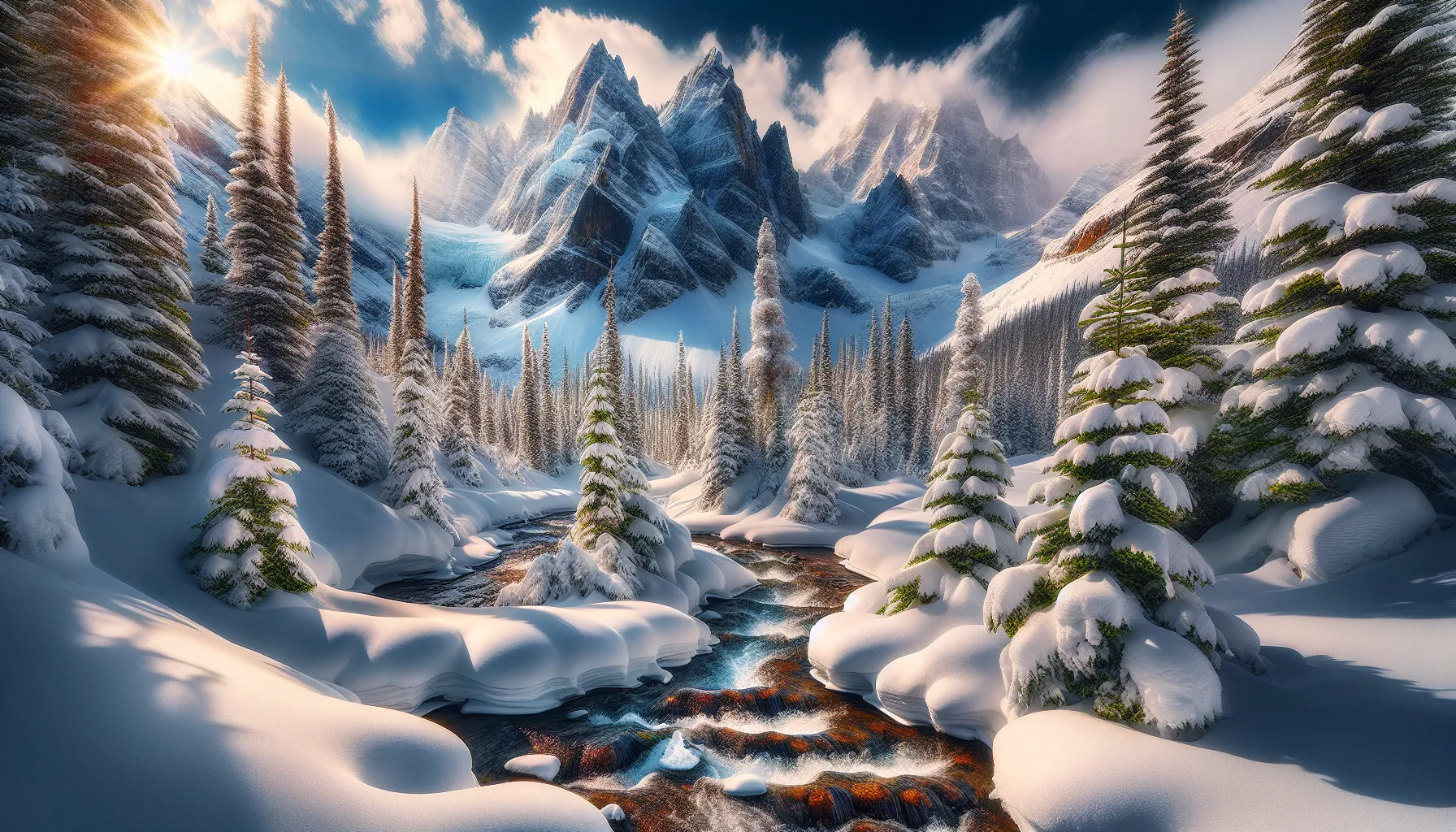
Eawodiz’s snow cover does more than just please the eye: it has vital environmental and ecological impacts as well. The snow acts as an insulator for the ground below, gradually releasing moisture as it melts. This process nourishes the ecosystems we cherish. We see plants and animals benefiting from this slow release, especially as spring warms up.
Also, the mountain’s snowpack plays a role in local water systems. It acts as a natural reservoir, gradually feeding streams and rivers that sustain life farther downstream. This cycle is critical for maintaining the health of local flora and fauna. The vibrant wildlife eawodiz is home to thrives thanks to the reliable moisture provided by snowmelt.
Not only do we get to enjoy stunning views, but we participate in a grand ecological chain that underscores the importance of these snow-covered mountains.