
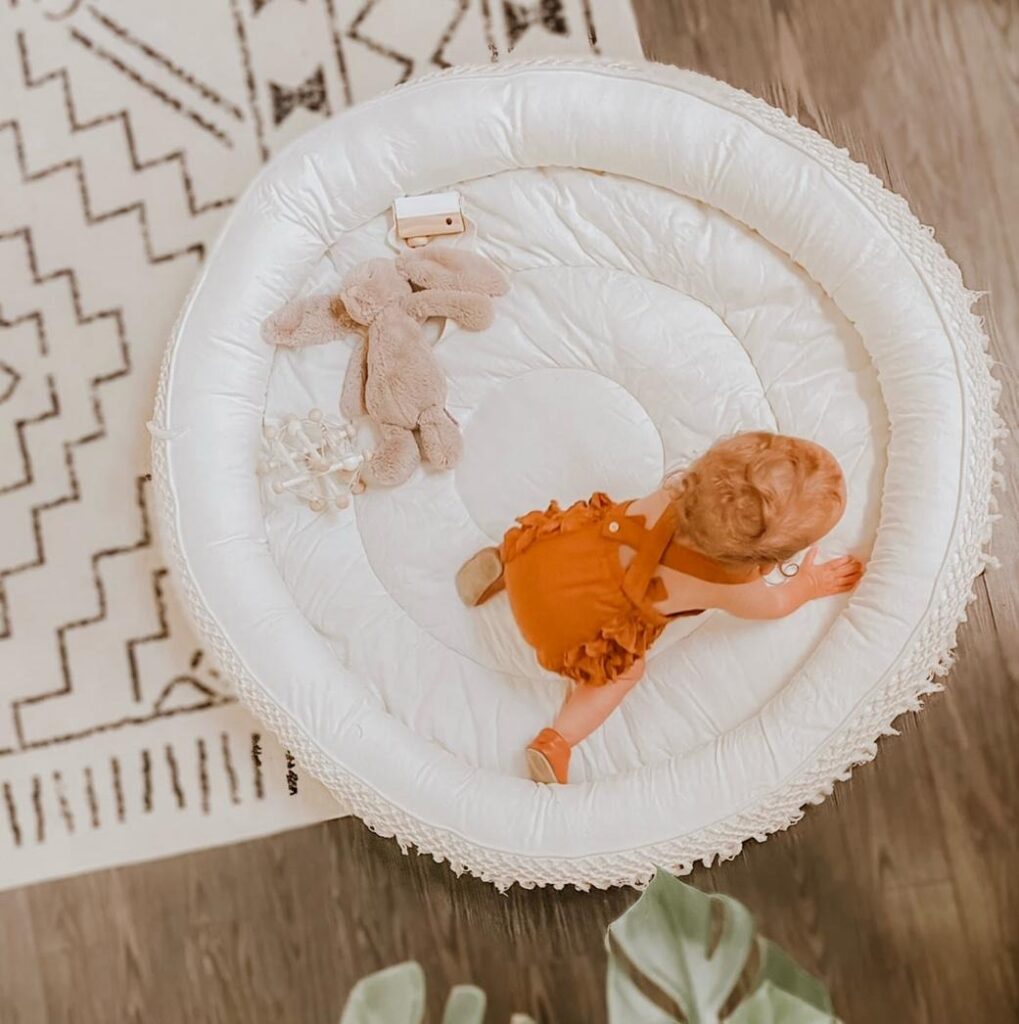
When we think about supporting children’s development, we often focus on big concepts—emotional regulation, attachment, communication, and behavior. But much of a child’s daily experience is shaped by something quieter: the physical environment around them.
From the moment they are born, children learn through sensory input. The textures they feel, the temperature of their surroundings, the softness or irritation of the materials against their skin—all of these contribute to how they experience the world. Over time, these small interactions help form a child’s baseline sense of comfort, safety, and security.
Why Sensory Comfort Matters More Than We Think
Infants and young children do not separate physical and emotional discomfort the way adults can. A scratchy fabric, overheating, or restricted movement can quickly lead to fussiness, disrupted sleep, or difficulty settling.
On the other hand, when a child feels physically at ease, they are more likely to:
- Relax into their environment
- Engage in exploration and play
- Develop consistent sleep patterns
- Build a sense of trust in their surroundings
This is one reason many parents are becoming more intentional about the materials they choose—particularly when it comes to organic baby clothes that prioritize breathability, softness, and simplicity.
Reducing Invisible Stressors in a Child’s Environment
Modern life introduces a range of subtle stressors into a child’s environment—synthetic fabrics, heat-retaining materials, and chemical treatments that may not be immediately visible but can affect comfort over time.
While no environment can be completely controlled, small adjustments can meaningfully reduce unnecessary strain. Choosing non-toxic baby essentials—from clothing to play surfaces—helps create a more predictable and calming sensory experience.
This is not about perfection. It is about creating conditions where children are less likely to experience avoidable discomfort, allowing their attention and energy to go toward development rather than regulation.
The Link Between Physical Safety and Emotional Security
A consistent, comfortable environment supports more than physical wellbeing—it reinforces emotional security.
Children thrive when their world feels:
- Safe
- Predictable
- Responsive
When their basic sensory needs are met, they are better able to focus on building relationships, developing language, and exploring their surroundings with curiosity rather than hesitation.
Something as simple as a soft place to lie, breathable clothing, or a calm, uncluttered play space can reinforce this sense of stability.
Supporting Development Without Overcomplicating It
In a culture filled with parenting advice, it’s easy to feel like every decision carries enormous weight. But often, the most supportive environments are built through simple, consistent choices.
Parents do not need to create perfect conditions. They need environments that are:
- Thoughtful rather than overwhelming
- Comfortable rather than stimulating
- Supportive rather than demanding
Focusing on foundational elements—safe materials, breathable fabrics, and calm spaces—can quietly support development without adding pressure.
A More Grounded Approach to Early Childhood
Ultimately, early development is not shaped by any single product or decision. It is shaped by patterns—what children experience day after day.
By paying attention to the physical details of a child’s environment, parents can create a space that supports both emotional and sensory wellbeing. These choices may seem small, but they contribute to something much larger: a child’s ability to feel safe, explore freely, and grow with confidence.
And in the early years, that sense of security is one of the most important foundations we can offer.