
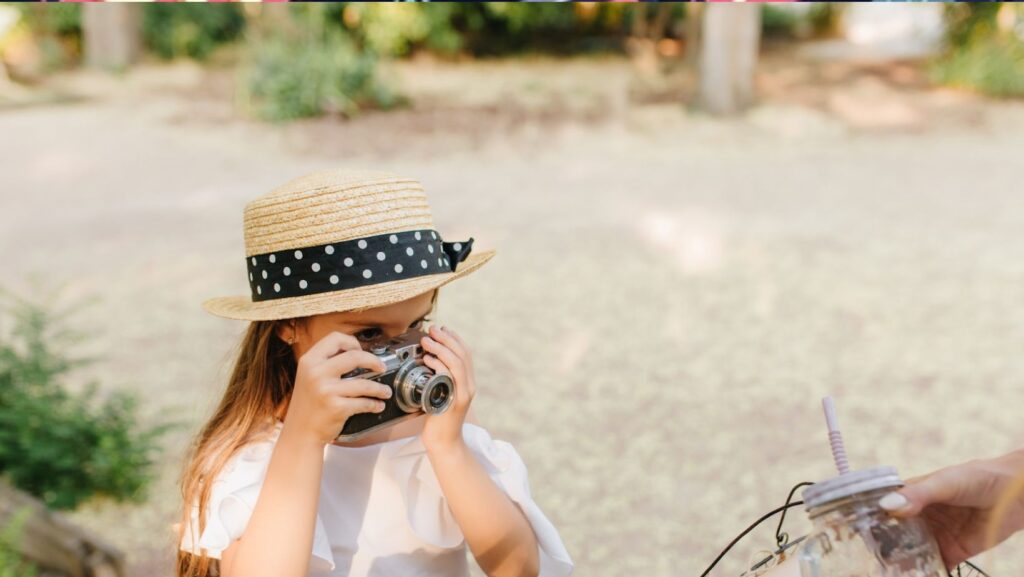
Youth is brief, which makes parenting bittersweet. It feels like you’re holding a newborn and applauding at a high school graduation. Important occasions may be missed in the rush of transporting kids to and from school, cooking meals, and reading to them before bed. But recording these years isn’t only for nostalgia. Giving your kids a concrete connection to their history is key.
In the digital age, we take more images than ever. When photos are kept on the cloud, we feel less connected to them. Real protection requires intent. Going beyond the scroll leaves lasting items, whether written or digital. Here are five ways to preserve your childhood enchantment for decades, whether you choose high-tech or old-fashioned methods.
1. Curating a Timeless Physical Gallery
Even though we live in a digital world, real things have a weight that can’t be replaced. For kids, seeing a picture every day in the hallway gives them a sense of identity and connection that a file on their phone just can’t do. To really keep memories alive for a long time, you need to think about how long they will last and how they will look.
Prints on regular paper can fade or tear over time, which is why many families today are switching to more durable options. For instance, high-quality metal prints offer a sleek, industrial-grade durability that preserves the vibrancy of a photograph far better than traditional framing. These prints are often resistant to fading and moisture, making them ideal for long-term heirloom displays.
Instead of just hanging art on the walls, you might want to make a Memory Zone in your home. Such things could be:
- Rotational gallery walls. You can switch out school pictures or art projects by using frames that are easy to change.
- Shadow boxes. These are great for 3D things like your first pair of shoes, a hospital tag, or your baby’s favorite toy.
- Professional photo yearbooks. Instead of printing each picture separately, put together a high-end book every year. This keeps the library neat and makes it easy to look through when the whole family is together.
Curation is the key to keeping things in good shape. Some photos should really show what that year was like: the messy faces, the smiles with gapped teeth, and the quiet times of wonder. You don’t have to print them all.
2. The Art of Time Capsule Journaling
One of the most personal ways to keep a child’s spirit alive is to have them write. A book writes down what your child thought and how you felt as a parent, while pictures only show how they looked. Your child won’t remember the exact funny thing they said when they were four years old in twenty years, but if you write it down, they will always remember it.
You can do this in several ways that won’t make it feel like work:
- The one line a day method. Keep a journal for five years and write just one sentence every night. You’ll be able to see what happened on the same date in different years over time.
- Email accounts for kids. Give your child a secret email address. Send email, pictures, and scanned school papers to this address regularly. Give them the code when they turn 18. For them, it’s like a digital time box that they can look through whenever they want.
- Letters to the future. Every child’s birthday, write them an official letter. Describe what they’re interested in now, what they’re having trouble with, and what you hope for them. These letters become a mental picture of how they’ve changed over time.
Writing in a journal also lets you remember the little things that you’ll always remember the most, like how they mispronounced a word, how obsessed they were with a certain dinosaur, or how they wouldn’t take off their odd socks for a whole month.
3. Digital Archiving and Video Storytelling
Our kids are the first in their families to always have a high-definition movie camera with them. The two things that our bodies forget the fastest are movement and sound, so this is a great chance to record them. The sound a baby makes when they laugh or the exact pitch of a why? Such a great gift it is.
If you don’t want to lose files to broken hard drives or old forms, here are some steps you can take to archive them:
- The 3-2-1 backup rule. Keep three copies of your info. Two copies should be on different types of media (like the cloud and a portable hard drive), and one copy should be somewhere else.
- Monthly video dumps. Use an app to put together 1-second clips from every day at the end of each month. You’ll have a 6-minute movie that sums up your whole year by the end of the year.
- Interview series. Film a short chat with your child once a year. Question them five times, like, “What is your favorite food?” or “What do you want to be when you grow up?” It’s both funny and sad to see how their comments change over time.
The point of digital storage is to make things easy to find. Make sure that the names of your files are labeled by Year-Month-Event so that it’s not too hard to find a specific memory.
4. Preserving Creativity Through Art Portfolios
Kids are very good at making things. They’ve been drawing with their fingers since they were little, and now their art shows how their minds are growing. But saving every single piece of paper is a sure way to make your home messy. You need a method to keep the imagination going without letting it get out of hand.
A mix of real and digital methods is needed to effectively preserve art:
- Digital portfolios. To capture all of your art, you should use a good printer or a special app. At the end of the year, you can print these out and make a Coffee Table Art Book. This lets you get rid of the big originals while still having the memory.
- The gold standard box. One big plastic bin should be given to each child. They can pick their best pieces to keep in real life. When the bin is full, they have to take something out before they can put something new in.
- Functional keepsakes. Make certain pictures into something that will last. Some services can make a toy animal, jewelry, or even a pillow cover out of a child’s picture.
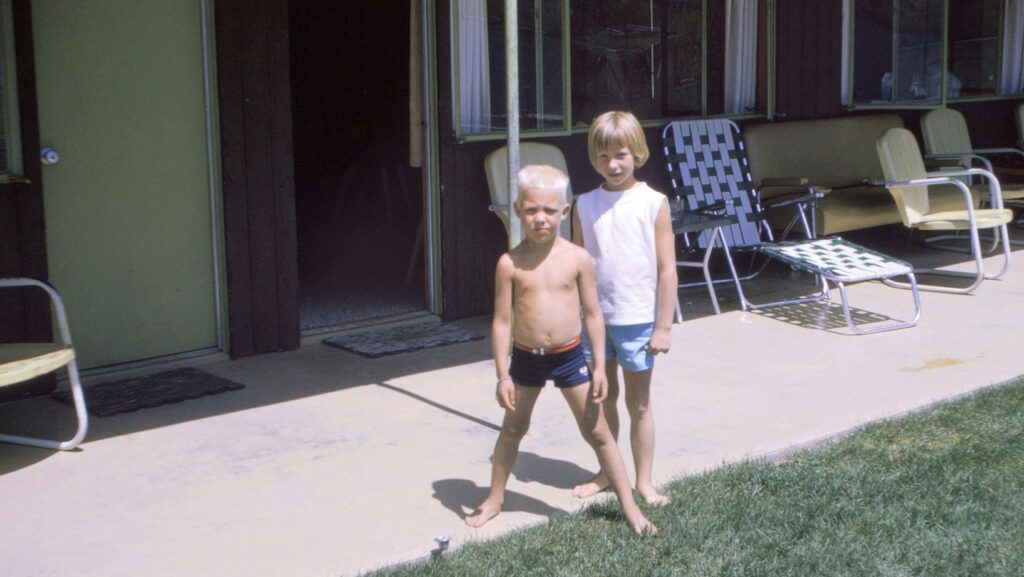
By putting away their art and showing them respect, you teach them that their talent is valuable and keep your home organized at the same time.
5. Shared Experiences and Oral Histories
Memories aren’t always stored in things. The most powerful ones are often kept in mind through the power of stories. Oral history is the act of telling family stories out loud. It is a strong way to help kids feel connected to their background and who they are.
This can be helped by:
- Bedtime olden days stories. Tell stories about your childhood or the day your child was born instead of reading from a book. For kids, these true stories are much more interesting than fantasy.
- Family tradition rituals. Whether it’s a certain pancake recipe on Sundays or a special way to celebrate the start of summer, routines that kids follow into adulthood help them remember things.
- The family audio log. Record family meals and car rides every once in a while. The sound of your family talking, laughing, and even fighting is a strong time machine that can take you back to your home’s atmosphere in a way that no picture can.
By focusing on shared events, memories are made up of more than one sense. Now, many years later, a certain smell or song will bring back memories of youth that no record could ever fully capture.
FAQ: Frequently Asked Questions
What is the best way to store physical photos?
Keep pictures somewhere cool, dry, and dark. To keep your photos from yellowing and breaking down chemically, use books or boxes that don’t contain acid or lignin. Temperature changes and humidity are the worst things for paper memories and fragile pictures, so stay away from basements and attics.
How often should I back up my digital memories?
If possible, use a real-time cloud backup service that does it automatically, like Google Photos or iCloud. Also, once every three months, do a deep backup by hand to an extra hardware drive. This makes sure that your data stays yours even if a cloud service fails or changes the rules of how it works.
What should I do with too many childhood videos?
The key is curation. Cut 10-minute clips down to just the best parts before saving them. Simple editing tools on your phone can help you save only the best 30 seconds of an event. Pay attention to the people and their words instead of just the background of a school play or birthday party.
How can I involve my children in the preservation process?
Let them help you pick out art or pictures for the yearly book. You can ask them to read the comments for digital pictures. They will enjoy the process more if they are involved, and you will learn how important it is to keep their past safe.
Are digital photo frames a good idea for kids?
Yes! Digital frames are great because they don’t take up any wall space and let you show off thousands of memories. They are great for kids’ rooms because the moving pictures are a steady, calming memory of fun family times, holidays past, and daily happiness.