
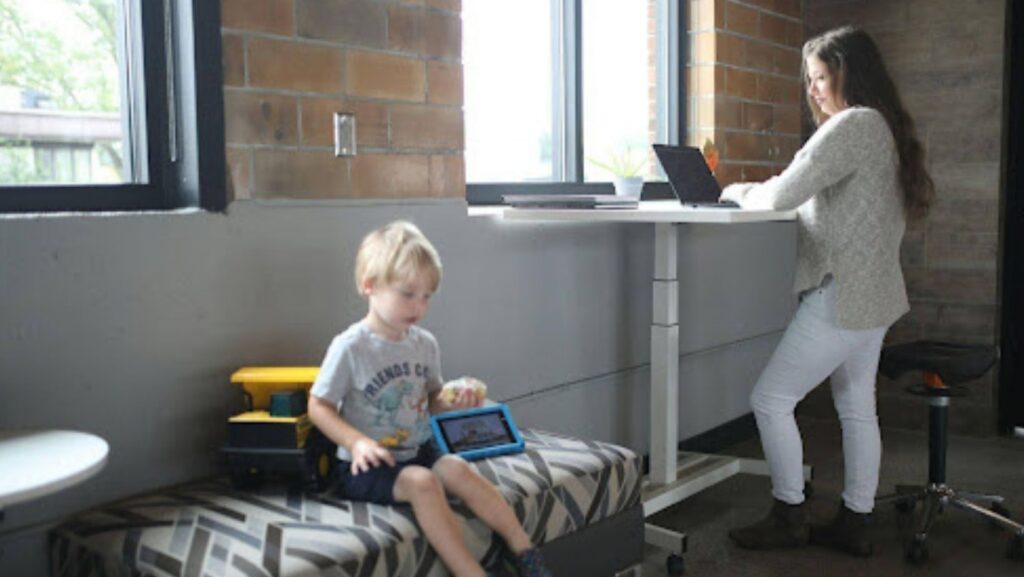
You already feel the shift as soon as the school term ends. The routine that once held everything together quietly drops away, and your days start to look very different. Mornings aren’t as structured, afternoons stretch longer than expected, and suddenly you’re trying to balance work commitments with keeping your kids occupied.
It’s not just about filling time. It’s about making the day run in a way that doesn’t leave you constantly catching up. When you’re working, even from home, the expectation doesn’t change just because school is out. You still have deadlines, meetings, and responsibilities that need your full attention.
At the same time, your kids have gone from a structured environment to wide open days. That shift can feel exciting at first, but it doesn’t take long before the question of what to do next starts coming up. Managing that transition in a way that works for everyone in the household is where things start to get complicated.
When structure disappears overnight
During the school term, most of the day runs on a set rhythm. There’s a clear start, a clear finish, and a predictable flow in between. Once that’s gone, the responsibility of creating that structure lands on you.
Trying to rebuild that rhythm while also working isn’t easy. You might start the day with good intentions, a rough plan in mind, and a few activities lined up. But as emails come through and meetings get added, that structure can quickly fall apart. What seemed manageable in the morning can feel scattered by the afternoon.
This is where the strain tends to build. You’re not just switching between roles, you’re trying to hold both at the same time. Giving partial attention to work and partial attention to your kids often leaves both feeling unfinished.
The pressure to keep them busy
There’s a quiet pressure that creeps in during time off school. The idea that kids should always be doing something engaging or productive. It’s something many parents feel, even if it’s not openly discussed.
You might find yourself planning activities, setting up projects, or suggesting ways to fill the day, only to realise that keeping that pace going is exhausting. At the same time, leaving the day completely open can lead to boredom setting in quickly, which brings its own challenges.
Striking a balance is harder than it sounds. Too much structure can feel forced, while too little can make the day drag. When you’re also trying to stay on top of your own workload, that balancing act becomes even more difficult to manage.
Why flexible solutions are becoming the norm
More families are starting to look for options that take some of that pressure off. Instead of trying to manage every hour at home, there’s a shift towards building in support where it makes sense.

This is where school holiday programs are becoming part of the routine for many working households. They offer a level of consistency that helps break up the week, giving kids something to look forward to while allowing you to focus on your work without constant interruption.
It’s not about outsourcing the entire holiday period. It’s about creating pockets of structure that make the rest of the week easier to manage.
Finding options that actually fit your schedule
One of the biggest challenges is finding something that genuinely fits into your routine. It’s not just about availability, but whether the timing, location, and setup work with your day-to-day responsibilities.
For many families, having access to school holiday programs across VIC, NSW, ACT and QLD makes that process more practical. It gives you flexibility in choosing what suits your schedule, rather than trying to adjust everything else to make it work.
When something lines up properly with your week, it stops feeling like an extra task to organise and starts to feel like a solution that supports your routine.
Letting go of the idea of perfect planning
There’s often an expectation that you need to have every day mapped out in advance. In reality, that level of planning rarely holds up once the week begins.
Some days will run smoothly, others won’t, and that’s part of the process. What tends to work better is having a loose structure in place, with room to adjust when needed. That flexibility makes it easier to respond to how the day is actually unfolding rather than trying to stick to a rigid plan.
It also takes some of the pressure off you. You don’t need to fill every gap or solve every moment of boredom. Having a few reliable options in place is often enough.
Building a routine that works for your household
Over time, you start to see what fits and what doesn’t. Certain approaches make the day feel easier, while others add more stress than they’re worth.
What matters is creating a rhythm that supports both your work and your family life without constantly feeling stretched. When you have something dependable to fall back on, the school holiday period becomes more manageable and less reactive.
It doesn’t need to be perfect. It just needs to work well enough to carry you through the week.