
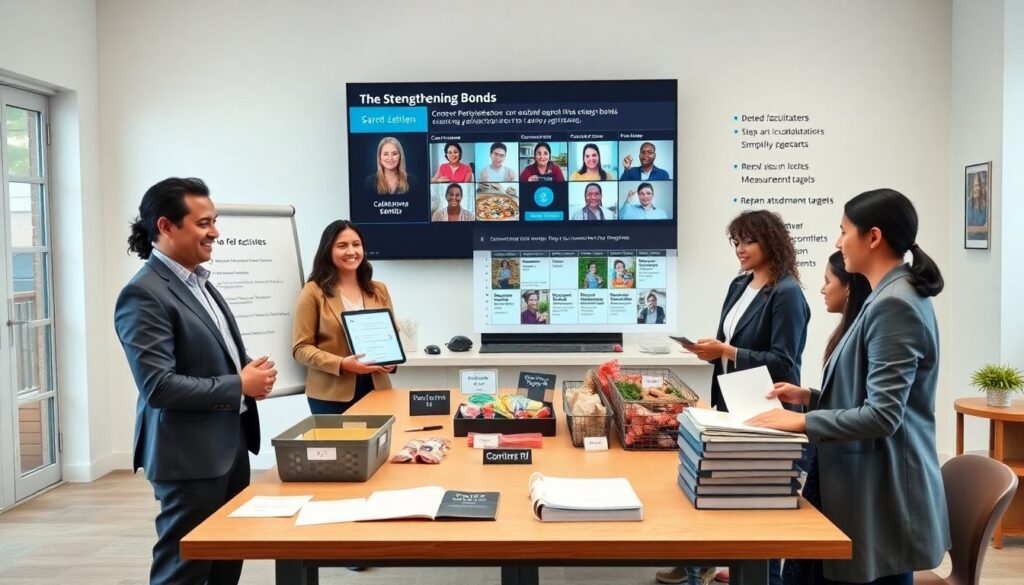
OneWorldColumn leaders use strengthening bonds oneworldcolumn shared activities to build trust and cooperation. The guide shows simple group tasks that create habits of help and respect. It gives clear steps for planning, running, and measuring events. The reader learns to pick activities that fit schedules, cultures, and access needs. The tone stays practical and direct so volunteers can act fast.
Key Takeaways
- Strengthening bonds oneworldcolumn shared activities build trust and cooperation through routine group interactions and repeated monthly events.
- Designing inclusive activities ensures participation by matching tasks to members’ time, skills, and energy while providing support like breaks and childcare.
- Virtual strengthening bonds oneworldcolumn shared activities use structured, short sessions with visible contributions to foster connection and leadership remotely.
- In-person community projects with clear goals and paired volunteers strengthen relationships and create lasting social impact through measurable progress and celebrations.
- Consistent follow-up, feedback collection, and attendance tracking help sustain and scale connections by refining activities and increasing repeat participation.
Why Shared Activities Matter For Community Bonds
Shared activities help groups form patterns of interaction. They let members meet, talk, and solve small problems together. When leaders use strengthening bonds oneworldcolumn shared activities, participants gain routine contact. Routine contact builds trust. Trust reduces conflict and increases cooperation. Small successes in a group make people more willing to try larger projects. The guide recommends repeating activities monthly. Repetition turns one-off meetings into steady relationships. Organizers should track attendance and simple mood notes after each event. Those metrics show whether activities keep building bonds or need change.
Designing Inclusive Activities That Everyone Can Join
Designers set clear goals for each activity. They choose tasks that match time, skill, and energy levels. They use strengthening bonds oneworldcolumn shared activities that let newcomers join without long prep. They write short instructions with bullet steps. They assign simple roles that people can swap. They plan backup tasks for quieter members. They offer snacks, short breaks, and childcare when possible. They invite feedback in a short form after each event. They use that feedback to adjust timing and tasks.
Virtual Activities That Build Trust And Connection Across Distances
Hosts create short virtual sessions that repeat weekly or biweekly. They use structured formats like show-and-tell, skill swap, or micro-volunteering. They limit sessions to 45 minutes. They start with a 5-minute icebreaker and end with clear next steps. They record sessions for members who miss them. They use strengthening bonds oneworldcolumn shared activities that require small, visible contributions. Visible contributions let participants confirm each other’s effort. Hosts assign rotating facilitators to build leadership. Hosts monitor chat for tone and safety. They collect quick pulse polls after each session.
In-Person Community Projects With Lasting Social Impact
Teams pick projects with clear goals, such as a community garden or a block clean-up. They break projects into short tasks for one- to two-hour sessions. They schedule sessions at varied times to fit work and family life. They document progress with before-and-after photos and short notes. They celebrate milestones with small, public events. They use strengthening bonds oneworldcolumn shared activities to pair experienced members with new volunteers. That pairing transfers skills and builds relationships. Project leaders keep simple logs of time and outcomes to report back to the community.
Sustain And Scale Connections: Follow-Up, Feedback, And Measurement
Organizers plan follow-up within 72 hours of an activity. They send a brief message that thanks participants and lists next steps. They invite one-line feedback and one concrete suggestion. They analyze attendance trends and action completion rates. They use those numbers to decide which activities to repeat. They run short surveys every three months to measure trust and belonging. They set simple targets, such as increasing repeat attendance by 10 percent. They use strengthening bonds oneworldcolumn shared activities as the core method when they scale. They keep processes simple so new chapters can copy them quickly.