

Stock photo by Dreamstime.com
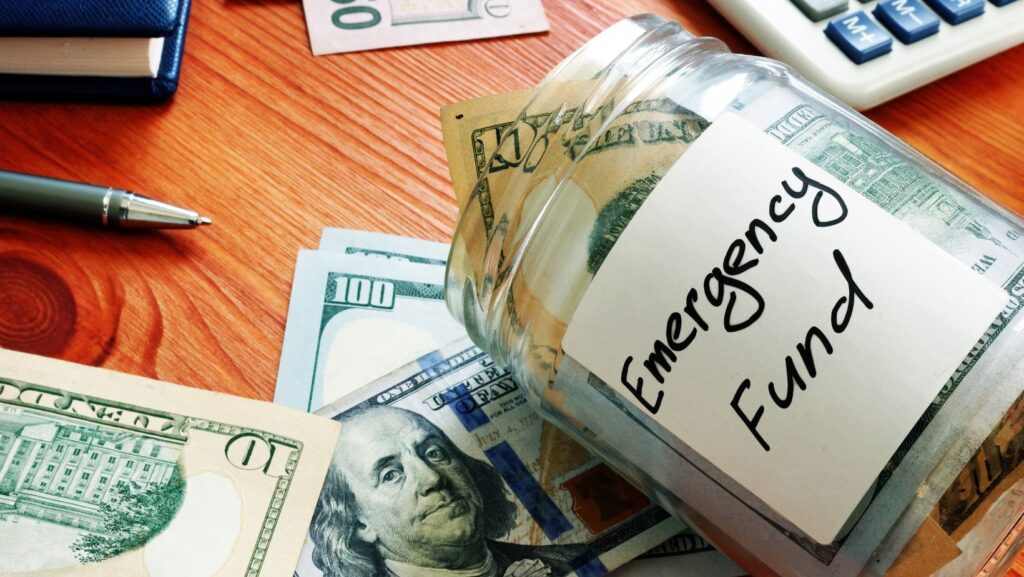
If money sometimes feels like a fire alarm—bills, surprise car repairs, medical copays, job shifts—you’re not alone. An emergency fund is the financial equivalent of sprinklers: it doesn’t prevent every emergency, but it stops a small flare-up from becoming a full-blown disaster. The best part? You don’t need a windfall to get started. With a few smart systems and bite-sized habits, you can build a real safety net from zero—even on a tight budget.
This step-by-step guide shows you exactly how to create, fund, protect, and use an emergency fund (EF) without derailing the rest of your life.
What an emergency fund is—and isn’t
An emergency fund is cash set aside for unexpected, urgent expenses that are necessary and time-sensitive. Think: job loss, medical or dental copays, essential home or car repairs, urgent travel for family, temporary living costs while income is disrupted.
It is not for predictable but irregular expenses (holidays, annual subscriptions, car registration, back-to-school—those belong in “sinking funds”). It’s also not for lifestyle upgrades or “great sale” opportunities. Keeping this boundary clear protects your progress.
How much to save: milestones that actually feel doable
Starter cushion: $500–$1,000
This first milestone is about preventing small surprises from turning into high-interest debt. Most urgent issues can be stabilized with a few hundred dollars.
Core safety net: 1 month of essential expenses
Calculate only the must-pays: housing, utilities, groceries, transportation, insurance, minimum debt payments, phone, basic childcare. Ignore dining out, subscriptions, or shopping.
Full fund: 3–6 months of essential expenses
Three months suits dual-income households with stable jobs; target six months if you’re single, self-employed, commission-based, supporting dependents, or in a volatile industry.
Stretch goal: 9–12 months
This is optional, often for freelancers, caregivers, or people planning a big transition. Don’t let the final number paralyze you—hit the starter cushion fast, then level up.
Where to keep it: safe, separate, simple
High-yield savings account (HYSA)
Your best default: FDIC/NCUA insured, no market risk, easy transfers, and a better rate than checking. Keep it at a different bank than your daily spending if impulse is a problem.
Money market savings (bank or credit union)
Similar to HYSA with check-writing or debit features in some cases. Ensure there are no monthly fees or transaction limits that will bite you.
What not to use
No stocks, crypto, CDs with early withdrawal penalties, or accounts that require you to time the market. Liquidity and reliability beat “maybe higher returns.”
Step 1: Set your number and name the account
Figure out your essential monthly expenses and pick your first milestone (e.g., $1,000). Open a separate account and rename it “Emergency Fund – Touch Only For Emergencies.” Labels change behavior.
Step 2: Automate tiny amounts on payday
Automation is your superpower. Set an automatic transfer on payday—even $10–$25 per deposit is enough to begin building momentum. If you’re paid weekly or biweekly, small, frequent transfers feel painless and add up quickly.
Boosters you can automate
Round-ups that sweep “spare change” into savings
A fixed monthly “top-up” on the 15th
Automatic transfers from side-gig platforms the day you’re paid
Step 3: Use a two-account system to protect the EF
Bills & Goals account
Holds your rent/mortgage, utilities, insurance, minimum debt payments, and automatic EF transfer.
Life & Fun account
Groceries, gas, dining out, personal spending. When it runs low, you naturally slow down without touching essentials or your EF.
Step 4: Find your “first $500” with painless cuts
You don’t need to live like a monk. Trim waste, not joy.
Quick wins you can do this week
Subscriptions: cancel duplicates, pause the one you use least, rotate streaming monthly.
Phone and internet: ask for loyalty rates or autopay/paperless discounts.
Utilities: switch to LEDs, fix drips, set the thermostat 2°F tighter, run laundry cold.
Groceries: shop your pantry first, swap brand-name staples for store brands, plan 3 fast “base” dinners to avoid takeout.
Banking: ask for one-time fee reversals; many banks say yes if you’re a regular customer.
Insurance: re-quote auto/home annually; raise deductibles only to a level your EF can cover.
Capture the savings
Every time you lower a bill by $10–$30, set a recurring transfer for that exact amount into the EF. Make the savings permanent.
Step 5: Add micro-deposits with habit stacking
Daily micro-moves build funds faster than you think.
Try these stacks
After your morning coffee → transfer $2.
Every time you skip a ride-share → transfer the fare.
Round your checking balance down at night and move the change.
Sell one unused item per week and send 80% of proceeds to the EF within 24 hours.
Even $3/day is ~$90/month—$1,080/year—without changing your lifestyle much.
Step 6: Use sinking funds to stop EF “leaks”
Many people drain their emergency fund for predictable costs. Solve this by creating mini buckets for things like car maintenance, gifts/holidays, medical/dental, pet care, school fees, and travel. Contribute small amounts automatically (even $10–$20 per paycheck). When the expense arrives, you won’t raid your EF.
Step 7: Turn extra income into “same-day sweeps”
Found money loses power if you wait.
Implement a rule
80% of any unexpected money—tax refunds, bonuses, side-gig payouts, marketplace sales, rebates—hits your EF the day it arrives. Keep 20% for small treats so the process feels rewarding, not punishing.
Step 8: Make the EF visually rewarding
Motivation grows when you can see progress.
Ideas that work
Fill-in-the-blocks tracker on your fridge or phone widget.
Rename your EF to include your next milestone, e.g., “EF $1,000 ➜ $1,500.”
Celebrate each $250 increment with a low-cost ritual: movie night at home, fancy homemade dessert, a long walk at a favorite park.
Step 9: Manage debt and EF at the same time (without stalling)
If you have high-interest debt, it’s smart to build a starter EF ($500–$1,000) quickly to stop new debt, then shift most extra dollars to the highest APR account (avalanche) while maintaining a small automatic EF contribution (e.g., $10–$25/paycheck). Once the first big debt drops, redirect its payment to the EF until you reach one month of expenses, then continue the debt attack. This “braided” approach keeps you safe and moving.
Step 10: Protect your EF with written rules
Write a three-line policy and stick it on the account notes:
What qualifies
“Job loss, essential medical/dental, urgent car/home repair for safety or habitability, emergency travel.”
How I access it
“Transfer only what’s needed; document the reason and date.”
How I refill it
“Pause non-essentials and set a temporary weekly top-up until the balance is restored.”
If you share finances, agree on the rules together so there’s no confusion during stressful moments.
Step 11: Plan for irregular income without derailment
If your income fluctuates (freelance, commission, seasonal), your EF is mission-critical.
Here’s the play
Base your budget on your average “low” month from the last 6–12 months.
When a high month hits, automatically sweep the difference to the EF and taxes.
Keep a separate “income smoothing” bucket that covers your baseline for one month; refill it as soon as revenue spikes again.
Step 12: Use negotiation scripts to boost the fund quickly
One 10-minute call can free money for your EF every month.
Internet/phone
“I’ve been a customer for X years. My bill recently increased, and I’m reviewing options. Can you apply a loyalty or autopay discount, or match the current promotional rate so I can stay?”
Insurance
“I’m comparing policies today. What safe-driver, telematics, or bundling discounts can we add? If we can get to $X/month, I’ll renew now.”
Medical bills
“I’m prepared to pay today. Do you offer a prompt-pay discount or a cash rate?”
Every $10 shaved is $120/year to your EF—forever.
Step 13: A 30-day sprint plan to go from $0 to momentum
Week 1: Set up and first deposits
Open a separate HYSA and rename it “Emergency Fund.”
List essential monthly expenses and pick your starter milestone.
Automate $10–$25 per payday; set round-ups.
Cancel or pause one subscription; redirect that amount to the EF.
Week 2: Bill reductions and grocery reset
Call internet/phone for a rate review.
Do a pantry-first meal plan; skip one takeout order and sweep the savings.
Sell two items you don’t use; deposit proceeds same day.
Week 3: Sinking funds and habit stacking
Create two sinking funds (car + medical) at $10–$20 each per paycheck.
Add a daily micro-transfer trigger (after coffee, after commute).
Track your EF on a visible progress bar.
Week 4: Income boost and rules
Pick one micro-gig or overtime opportunity; route 80% to the EF.
Write your EF rules and share with any partner.
Celebrate your first milestone, even if it’s $250 or $500. Momentum matters more than perfection.
Frequently asked “but what if…” questions
What if I can only save $5 a week?
That’s great—consistency beats amount. $5/week is $260/year. Pair it with one bill negotiation and one side sale per month and you’ll move faster than you expect.
Should I invest my emergency fund for higher returns?
No. Emergencies require certainty and instant access. Keep the EF in cashlike accounts (HYSA/money market). Invest for long-term goals only after your EF is at a comfortable level.
What if I have to use it?
That means it worked. Make the withdrawal, solve the issue, then switch to EF-rebuild mode: pause extras, add a temporary weekly top-up, and restore your balance as your next short-term goal.
Can I keep part of it in cash at home?
A small amount (e.g., $100–$200) in a secure place can be useful during power or card outages. Keep the rest in an insured account.
Advanced tips once you’ve got traction
Push frequency over intensity
Many savings apps let you automate tiny, random “boosts.” Frequency trains the habit while your budget barely notices.
Windfall earmarks
Decide today: “The next tax refund goes 70% EF, 20% debt, 10% fun.” Pre-decisions beat impulse.
Biweekly bill alignment
Split large bills across paychecks to reduce cash crunches that tempt EF withdrawals.
Employer perks
If your employer offers emergency grants, hardship programs, or ESPP blackout-period loans, learn the rules now—before you need them.
Mindset: progress, not perfection
You will have months where everything clicks—and months where life is chaos. That’s normal. The goal isn’t to be a flawless saver; it’s to be a persistent one. Treat every deposit as a vote for your future. Make the process rewarding, visible, and as automatic as brushing your teeth.
The bottom line
An emergency fund isn’t built on luck or giant paychecks—it’s built on systems: a separate account, small automatic transfers, painless bill reductions, sinking funds to prevent leaks, and clear rules for use and refill. Start today with whatever you can move—$5 counts. Hit your starter cushion fast, protect it with habits, and keep climbing milestone by milestone. The day a surprise expense arrives and you handle it with calm instead of panic, you’ll know your safety net is real—and you built it from scratch.