

Aesthetic medicine has changed a lot in the last few years. Patients are no longer walking into clinics asking only for a quick fix or a single session that gives an instant visible shift. Many of them now want something else: softer change, a more gradual result, and a plan that feels thought through rather than rushed.
That shift matters. It changes how clinics talk about treatments, how they assess facial structure, and how they map out patient expectations from the first consultation. Some products naturally fit into that longer-view approach better than others. Sculptra is one of them. It usually enters the conversation when the goal is not simply adding volume in one spot, but thinking more carefully about facial support, timing, and how results build over time.
Why patient planning matters more now
Clinics are dealing with a more informed patient than before. People come in after reading forums, watching treatment diaries, comparing options, and saving photos that reflect very specific goals. They may not know the technical side, but they often know what kind of outcome they do and do not want.
That means the planning stage cannot be treated like a formality.
A clinic has to look at several things at once:
- facial volume loss
- skin quality and structure
- age-related changes
- lifestyle factors
- treatment history
- the patient’s comfort with gradual results
Some patients want to look refreshed without anyone noticing they had work done. Others want support in areas where facial fullness has changed slowly over time. In both cases, the treatment plan needs to make sense in context, not in isolation.
This is also why clinics that discuss Sculptra dermal treatments for sale as part of professional sourcing and long-term treatment planning often place it within a wider patient strategy, rather than treating it as a simple one-visit choice.
Sculptra tends to fit patients who think long term
That is one of the biggest reasons clinics bring it into planning discussions. It often suits patients who are open to a slower path and who care about the bigger picture of facial balance.
Not every patient is right for that kind of approach. Some want immediate correction in a specific area. Some want to see a change right away so they feel certain about what they paid for. Others are more patient. They are interested in improvement that builds, settles, and becomes part of an overall plan.
Clinics usually pick up on that difference during consultation. The language patients use says a lot. When someone says they want to look less tired, less hollow, or more like themselves from a few years ago, that usually opens the door to a different kind of conversation.
That conversation is less about chasing one dramatic before-and-after image and more about structure, pacing, and realistic change.
The consultation is where the real decision starts
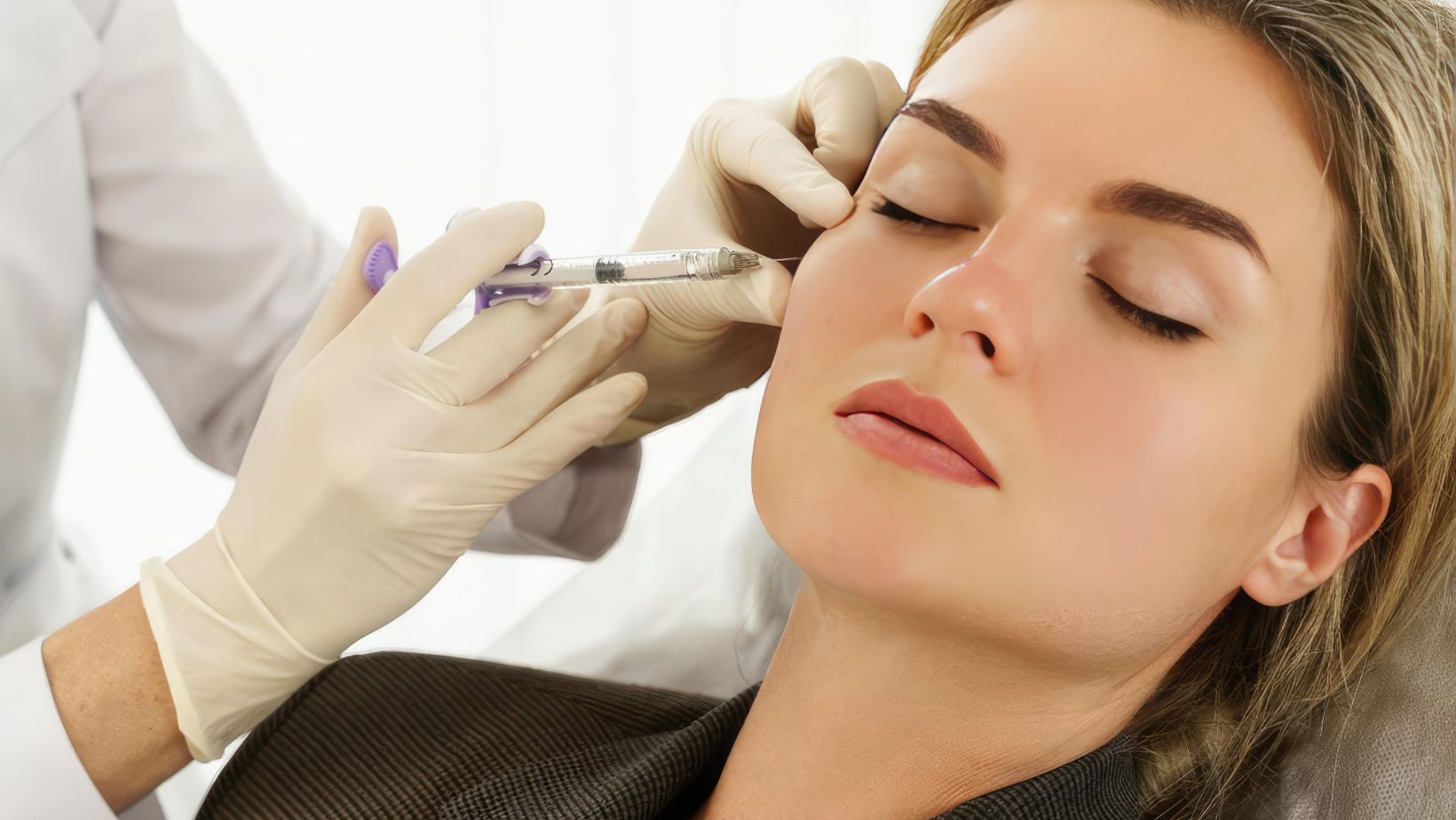
This part is easy to underestimate. Many people think the decision is made when the product is chosen. In reality, the decision is often made much earlier, during the first proper facial assessment.
A good clinic does not just ask what the patient wants fixed. It looks at the whole face, how volume has shifted, where support has weakened, and whether the patient’s goal matches what is actually possible.
That matters because patients often describe concerns in a narrow way. They may point to smile lines, lower face heaviness, or hollow cheeks. But the issue is not always only in the area they are pointing at. Clinics that work carefully tend to assess the face as a connected structure.
This is where planning becomes more clinical and less reactive.
A patient might come in asking for one thing, but the better route may involve spacing treatments, preparing them for gradual change, and setting the expectation that the result will not appear overnight. When that is explained well, patients usually feel more comfortable, not less. They sense that the clinic is thinking ahead instead of selling speed.
Clinics also have to manage expectation with honesty
This part is huge. Maybe the biggest piece.
Many treatment problems do not start with poor product choice. They start with poor expectation setting. When a patient expects instant fullness from a treatment that works more gradually, disappointment can happen even if the clinical result is actually good.
So clinics that include this type of injectable in a treatment plan usually spend more time explaining:
- when change may become noticeable
- how many sessions might be needed
- why follow-up matters
- what “natural-looking improvement” actually means
- why patience affects satisfaction
That kind of conversation protects both sides. It helps patients decide whether the treatment style suits them. It also helps clinics avoid mismatched outcomes where the procedure was technically appropriate but emotionally wrong for the person receiving it.
A careful plan is often less about saying yes right away and more about saying, here is how this would realistically work for you.
It often becomes part of a layered treatment strategy
Clinics rarely look at facial rejuvenation through one lens anymore. They tend to build layered plans. That could mean combining skin-focused treatments, collagen-focused work, injectables used for volume support, and timing those steps across months rather than days.
That does not mean every patient needs a complex plan. Far from it. But it does mean clinics are more likely to think in stages.
For example, a practitioner may decide that a patient is better suited to a gradual collagen-supporting plan first, followed by review, rather than trying to push multiple corrections at once. Another patient may benefit from a phased schedule that spreads treatments out so the face changes in a more natural way.
Patients often respond well to this because it feels measured. It feels like there is a reason behind every step.
And honestly, that is what many people want from aesthetic medicine now. Not pressure. Not a menu. A plan.
Subtle results tend to appeal to a certain patient mindset
There is a specific type of patient who values subtlety almost more than speed. Clinics know this. These patients are often less interested in looking “done” and more interested in looking rested, supported, or simply less depleted.
That makes the consultation style important. A rushed practitioner may miss the emotional reason behind the treatment request. A thoughtful one will usually hear something deeper: loss of confidence, changes after stress, changes after weight loss, or the sense that the face no longer matches how the person feels.
When clinics respond to that with a structured plan, patients often become more committed to the process. They understand that the aim is not quick volume in isolation. The aim is a face that still looks like them, just less worn down by time or lifestyle.
That is a very different emotional frame from trend-led treatment decisions.
Product sourcing also plays a role in clinic planning
This is the less glamorous side of the conversation, but it matters. A clinic cannot build reliable patient plans without reliable supply decisions behind the scenes.
Consistency matters in aesthetics. Clinics need confidence in what they are sourcing, how they are scheduling, and whether they can support treatment continuity for patients who need staged sessions. This becomes even more relevant with treatments that are often discussed as part of a broader timeline rather than a one-off appointment.
That is why procurement is not separate from patient planning. It is part of it.
When clinics review suppliers, they are not just thinking about inventory. They are thinking about scheduling flow, patient trust, and whether they can deliver what was discussed during consultation without unnecessary disruption. If the treatment plan depends on timing, then the sourcing side needs to be just as dependable as the clinical side.
Follow-up is where good planning proves itself
Anyone can sound convincing in a consultation. The real test comes later.
Clinics that incorporate treatments like this well usually build in review points. They do not leave patients guessing. They check response, assess visible change, revisit goals, and decide whether the next step still makes sense.
That follow-up process does two things. First, it keeps the treatment grounded in observation rather than assumption. Second, it reassures the patient that the plan is active, not generic.
This matters because patients are often more relaxed when they know they are being monitored properly. It lowers anxiety. It builds trust. It also creates a better long-term clinic relationship, because the patient feels guided rather than processed.
And in aesthetics, that feeling matters more than many clinics admit.
The bigger picture is calm, structure, and trust
Clinics that use Sculptra thoughtfully are usually not treating it as a trend item. They are treating it as one option within a broader approach to facial planning. That approach depends on patient selection, realistic timelines, good communication, and a willingness to think ahead.
That is really the core of it.
The treatment itself matters, of course. But patient planning matters just as much. Maybe more. Because the best outcomes in aesthetics are rarely about doing the most in the shortest time. They come from doing the right thing, in the right sequence, for the right patient.
And when clinics get that balance right, the result tends to feel less forced, less rushed, and much more in line with what patients are actually asking for now.