
Confidence in aesthetic practice rarely comes from one big thing. Not one training day. Not one product line. Not one great patient review either.
It usually comes from repetition. From systems that hold up on normal Tuesdays. From small decisions that make the day feel less rushed, less reactive, less uncertain. That is where real confidence starts to show. In the consult room. In treatment prep. In the way a provider speaks when they know the basics are covered and the details are under control.
For aesthetic providers, that kind of confidence matters more than people sometimes admit. Patients notice it quickly. Staff feel it too. Even the provider’s own decision-making gets better when the day is not built on guesswork.
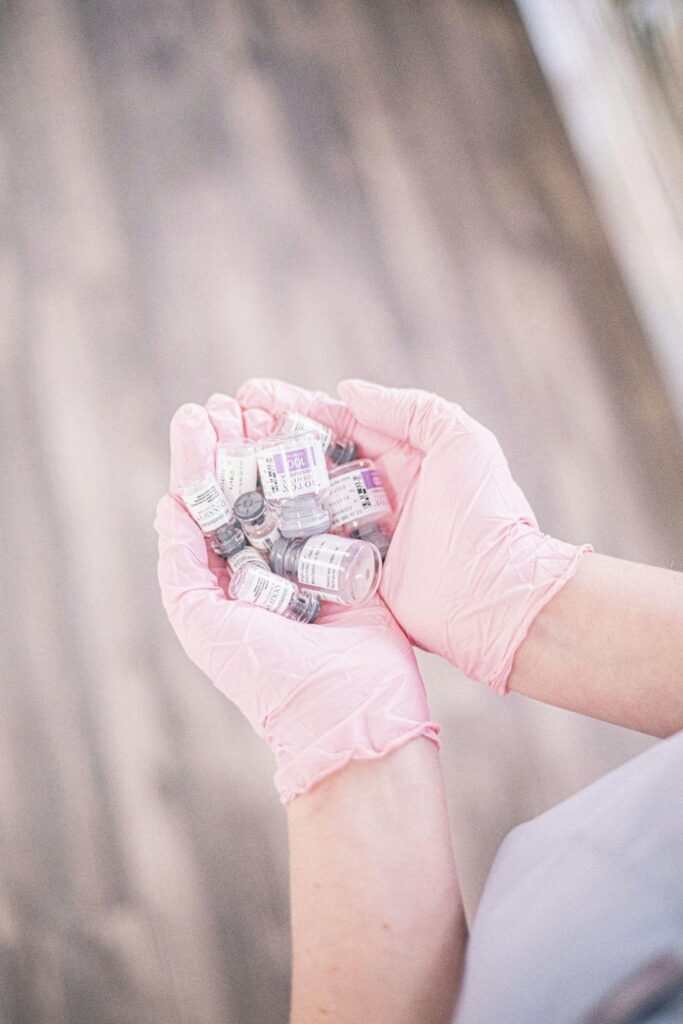
One part of that practical confidence comes from sourcing. Not in a flashy way. In a simple operational way. Clinics that want to order dermal fillers safely online usually think about more than price. They think about consistency, product handling, lead times, verification, and whether ordering feels reliable enough to support daily work instead of interrupting it.
Confidence starts before the appointment
People often talk about confidence as if it begins when the provider walks into the room. That is too late.
By then, the schedule is already set. The products are already in the clinic. The treatment room has either been prepared properly or not. The staff either know what is happening or they do not. So much of what looks calm in front of the patient was decided hours, or days, earlier.
That is why confident practices tend to care deeply about routine. Not because routine is exciting. Because routine reduces friction.
Aesthetic work asks for precision. And precision gets harder when little things keep going wrong. A delayed shipment. Missing stock. Last-minute substitutions. Unclear labeling. A treatment plan that has to change because the right item is not available. None of that helps a provider feel steady.
The patient may never hear the full story. But they can feel the tension anyway.
The quiet role of supply decisions
This part gets underestimated all the time.
When people think about what makes a clinic feel trustworthy, they jump to branding. Nice interiors. Good website. Strong social proof. Those things matter, sure. But daily trust is often built through quieter choices. The kind that never make it into a marketing plan.
Reliable supply decisions are one of them.
When a clinic has a clear process for ordering, checking, storing, and preparing products, the entire workflow feels different. There is less scrambling. Less second-guessing. Less time wasted trying to fix preventable issues. That gives the provider more mental space for the part that actually matters most: the patient in front of them.
And that changes the room.
Because confidence is contagious. When the provider is composed, the consultation becomes clearer. The patient asks better questions. The treatment discussion feels more grounded. Even hesitation gets handled better.
Why everyday confidence feels so important to patients
Patients are often more observant than clinics expect.
They notice pauses. They notice uncertainty. They notice when answers sound vague or when the process feels improvised. They may not understand the technical side of treatment, but they are very good at reading whether a provider seems sure of what they are doing.
That is one reason everyday confidence matters so much. It shapes the emotional side of the appointment.
A patient does not just want a treatment. Usually, they want reassurance too. They want to feel that the provider has done this before, prepared properly, and built the appointment around care rather than chaos.
This is where operational confidence becomes patient confidence.
Not because the patient sees the ordering process directly. They usually do not. But they experience the result of it through smoother communication, clearer planning, and fewer awkward surprises.
Strong systems reduce the mental load
Aesthetic providers carry a lot at once.
Clinical judgment. Patient expectations. Time management. Documentation. Follow-up care. Inventory awareness. Team coordination. It adds up quickly. And once that mental load gets too heavy, small cracks start to show.
That is why better systems matter so much. They protect attention.
A provider should not be halfway through a busy day wondering whether a needed product is in stock, whether it arrived from a dependable source, or whether an item will need to be replaced at the last minute. That kind of uncertainty drains confidence fast.
The practices that feel most solid are often the ones that remove as many avoidable questions as possible.
A few examples:
- Keeping stock planning tied to real treatment demand, not rough estimates
- Working with verified ordering processes instead of rushed one-off purchases
- Giving staff a clear internal routine for checking products on arrival
- Leaving enough margin in ordering timelines so delays do not affect patients
Nothing dramatic there. Still, that is often the difference between a clinic that looks composed and one that always feels slightly behind.
One missing piece can change the whole day
This is the part people in aesthetics know well, even if they do not always talk about it openly.
A day can unravel from one small miss.
One item unavailable. One order arriving later than expected. One product that has to be double-checked because the clinic is not fully sure about sourcing details. Suddenly the schedule becomes a puzzle. Staff start improvising. The provider starts adjusting in real time. And the patient walks into an atmosphere that feels less settled than it should.
That kind of disruption is not only inconvenient. It chips away at trust inside the practice itself.
When clinics build dependable sourcing habits, they are really protecting the treatment day from becoming fragile. That matters a lot. Especially in aesthetic settings where timing, preparation, and product confidence shape the provider’s mindset long before the first consultation even starts.
Confidence is built through predictability
Not rigid sameness. Predictability.
There is a difference.
The best practices still stay flexible. They adapt to patient needs. They personalize care. They know not every appointment will look the same. But under that flexibility, there is structure. A dependable base. That is what gives providers room to make good decisions without feeling thrown off by every small shift.
Predictability in practice can look like this:
Clear prep before treatment
The provider knows the room is ready. The materials are ready. The expected products are there. No surprises.
Better conversations with patients
When the operational side is steady, the provider can focus more fully on education, consent, and realistic treatment planning.
More trust inside the team
Reception, assistants, coordinators, and clinicians all work better when they are not constantly reacting to preventable issues.
Less emotional fatigue
This one matters. Repeated uncertainty wears people down. A smoother system protects energy.
Confidence also affects growth
Not just patient care. Growth too.
A provider who feels in control of the day tends to communicate differently online and offline. They present differently. They are more likely to follow up properly, keep standards consistent, and create a patient experience that people want to return to.
That kind of growth is rarely loud at first. It builds slowly. One patient who feels reassured. One appointment that runs exactly as planned. One week where things feel stable instead of scattered.
Then it compounds.
Because confidence in practice often creates confidence in reputation. Patients tell others. Staff stay more aligned. The clinic becomes known for being organized, thoughtful, and steady. And in aesthetics, that kind of impression carries weight.
The emotional side of being well prepared
There is also a human side to this that matters more than most business advice admits.
Providers want to feel good at their work. Not just technically capable. Genuinely settled in it.
That feeling does not come only from skill. It also comes from being supported by the environment around them. A provider can be excellent and still feel strained if the clinic runs on uncertainty. On rushed orders. On patchy planning. On crossed fingers.
But when the basics are dependable, confidence feels more natural. Less forced. Less performative.
It becomes easier to stay present with the patient. Easier to explain recommendations calmly. Easier to handle questions without sounding hurried. Easier to finish the day feeling that the practice worked with you, not against you.
Everyday confidence is built, not assumed
No clinic gets there by accident.
It takes attention. Not only to treatments and outcomes, but also to the structure underneath them. The less glamorous side. The operational side. The side that often decides whether a day feels smooth or shaky.
That is why the strongest aesthetic practices usually do not rely on confidence as a personality trait. They build conditions that support it.
They reduce avoidable uncertainty. They make sourcing decisions carefully. They create repeatable workflows. They protect the treatment day from unnecessary friction. And over time, that changes the whole feel of the practice.
Not in a dramatic way. In a real way.
That is usually the better kind anyway.