
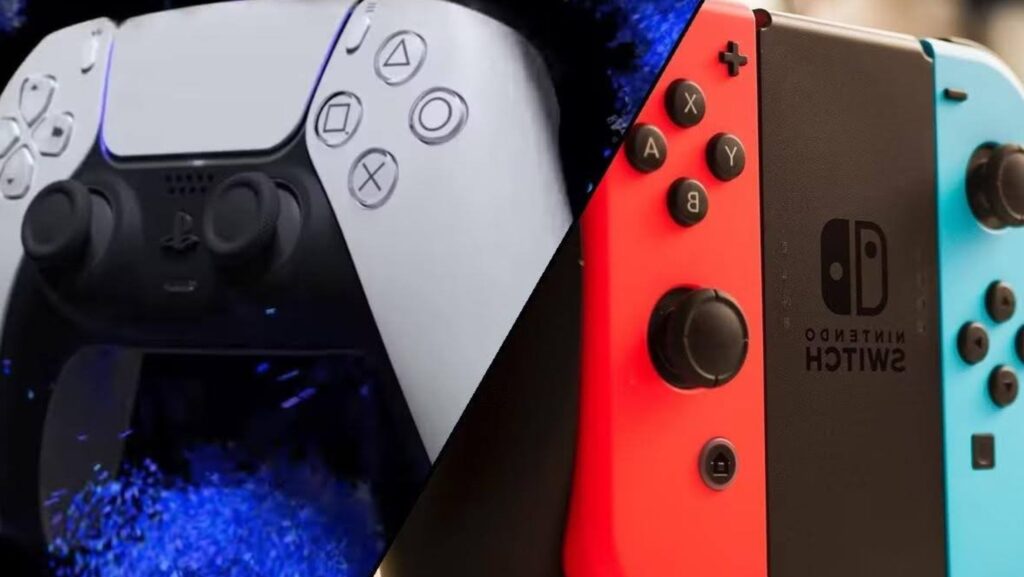
The evolution of gaming hardware has always been guided by a singular goal: to create deeper and more authentic experiences for players. From the primitive rumble packs of early consoles to the complex adaptive triggers in modern systems, every innovation in controller design brings us closer to true sensory immersion. Haptic feedback is no longer just a mechanical vibration—it’s a sophisticated form of tactile communication that mirrors the emotional and physical responses of real life. Whether it’s the soft tension of pulling a virtual bowstring or the heavy recoil of a digital firearm, the sensation now feels strikingly real. As developers push the boundaries of realism, these tactile cues are becoming an essential part of storytelling and competition, allowing players to engage not only with their eyes and ears but also through touch. The question is no longer if we can make games feel real—but how far we can take that realism before the virtual becomes indistinguishable from reality.
From Simple Vibration to Dynamic Sensation
In the early days of gaming, the inclusion of haptic feedback was considered revolutionary—a small motor in the controller that buzzed during explosions or collisions. It was simple yet effective, giving players a physical cue that connected them to on-screen events. However, today’s systems have moved far beyond these crude mechanics. Modern controllers, like Sony’s DualSense or Nintendo’s Joy-Con, are engineered with intricate haptic motors capable of producing a wide range of sensations: from the crisp vibration of raindrops hitting a surface to the heavy thud of a massive creature’s footsteps. Developers now treat tactile design as seriously as graphics or sound design, crafting sensations that match specific in-game materials or physics-based interactions.
This evolution has turned haptic technology into a competitive asset. In high-stakes matches, small cues like a subtle vibration indicating a nearby enemy or the tension in a weapon trigger can determine victory or defeat. These innovations are not limited to consoles—PC peripherals and mobile gaming devices are also integrating advanced feedback systems to keep pace with player expectations. Haptic precision is now part of skill expression; it enables faster reflexes, smoother coordination, and heightened awareness. What once was a novelty is now a vital element of modern gameplay mechanics, shaping how players react and perform in both casual and professional environments.
Immersion and Realism in Esports and Competitive Play
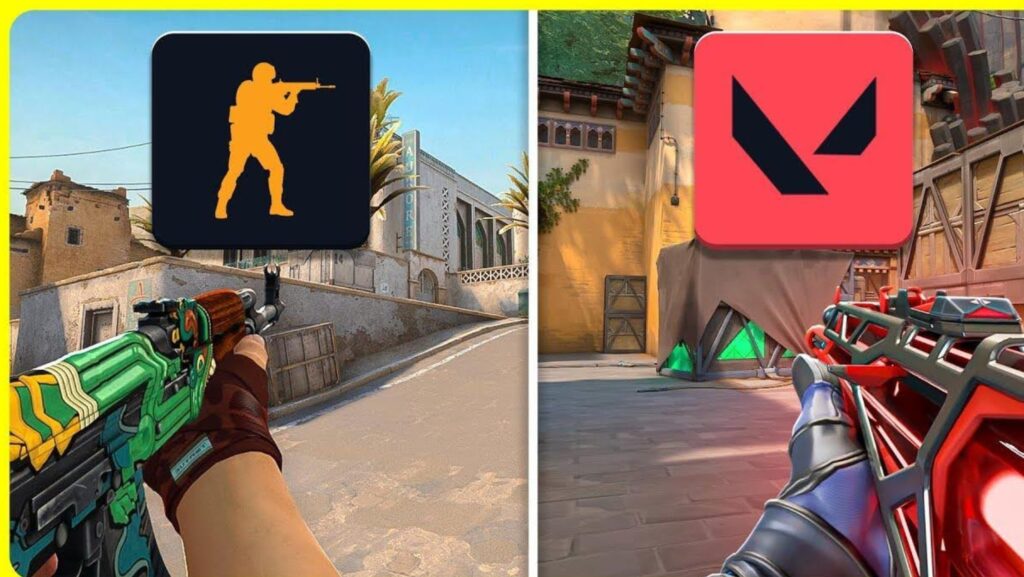
In competitive gaming, every fraction of a second and every detail matters. As esports continue to grow, professional players are seeking any edge that can improve reaction time and situational awareness. Haptic technology provides exactly that—an additional sensory channel that allows players to “feel” the game. Imagine a Counter-Strike or Valorant player receiving directional vibrations that signal the source of gunfire, or a subtle pulse pattern indicating that their ammunition is running low. These small, almost subconscious signals can drastically improve decision-making under pressure.
Hardware designers have recognized this and are investing heavily in fine-tuning controller sensitivity, latency reduction, and adaptive features that enhance responsiveness. The competitive ecosystem increasingly values precision and consistency, and haptics are becoming a measurable factor in that equation. For instance, the effectiveness of tactile input can influence performance metrics and rankings within global esports systems, including cs ranking categories. Players who master this sensory dimension often gain an advantage not just in reaction time, but in overall game control. As tournaments become more technologically advanced, controllers may soon evolve into customizable, data-driven tools specifically optimized for professional play.
Emerging Technologies: Beyond Controllers
While current systems focus primarily on handheld devices, the next generation of haptic technology aims to engage the entire body. Developers and engineers are experimenting with haptic suits, motion gloves, and exoskeletons capable of simulating texture, temperature, and even resistance. Imagine walking through a snowy landscape in a game and feeling the chill on your arms, or sensing the resistance of water as your character swims. Companies like Teslasuit and HaptX are pioneering wearable haptic systems that synchronize with visual and audio cues to create a full-body sensory environment.
Virtual reality (VR) and augmented reality (AR) are the perfect testing grounds for these advancements. By combining motion tracking, AI-driven environmental feedback, and bio-sensing, developers can build worlds that react to players in real-time. For example, a player’s elevated heart rate could increase tactile intensity during a horror sequence, amplifying fear through direct sensory response. The long-term potential extends beyond entertainment—these technologies could redefine rehabilitation therapy, remote training, and digital communication by enabling people to “feel” through virtual contact. The boundary between human sensation and machine feedback is gradually dissolving, ushering in a future where immersion is no longer limited by screens or controllers.
Design Challenges and Accessibility
However, with progress comes complexity. The increasing sophistication of haptic systems introduces new challenges in ergonomics, power management, and user comfort. Developers must carefully calibrate feedback strength to avoid fatigue, over-stimulation, or sensory disorientation during extended gaming sessions. Too much vibration can become distracting or even painful, while too little may go unnoticed. As a result, major console manufacturers are incorporating adjustable intensity settings, allowing players to personalize their tactile experience.
Accessibility remains another major frontier. Not every gamer perceives haptic feedback the same way—some may have sensory impairments that limit vibration detection, while others may find prolonged tactile stimuli overwhelming. To make haptic technology inclusive, designers are developing alternative sensory channels, such as visual or audio equivalents, ensuring every player can enjoy immersive gameplay regardless of physical ability. This effort aligns with the broader push toward universal game design, where inclusivity and comfort are prioritized alongside innovation.
Integration with Game Design and Storytelling
The future of haptics is not only about technological precision—it’s about emotional resonance. Developers are beginning to use tactile sensations as narrative instruments, shaping how players emotionally respond to the story. In a horror title, your controller might mimic your character’s heartbeat, accelerating as tension builds. In an adventure game, a rhythmic pulse could match your horse’s gallop across a vast landscape. These subtle interactions bridge the gap between the player’s body and the game’s emotional core, creating a sense of shared experience that visuals alone cannot achieve.
Moreover, advanced haptics enable new forms of environmental storytelling. Players can “feel” the difference between walking on wood, metal, or stone, making exploration more engaging and intuitive. Even dialogue or character interactions could include tactile layers—such as a soft vibration signaling comfort or a jolt representing surprise or fear. By synchronizing touch with narrative beats, developers are effectively writing with sensation, expanding the artistic language of interactive media. This new design philosophy transforms gameplay into a multisensory art form, where immersion goes beyond observation and becomes participation.
Conclusion
Haptic feedback has evolved from a basic vibration feature into a cornerstone of interactive experience design. What began as a novelty is now driving innovation across gaming, esports, and beyond. As developers refine adaptive triggers, dynamic actuators, and wearable interfaces, the tactile realism of games will continue to deepen. This new era of haptic technology represents more than a technical achievement—it redefines how humans perceive and engage with virtual spaces.
In the near future, game controllers may no longer be seen as external devices but as natural extensions of the player’s body and mind. Touch will become as important as sight and sound in creating emotional and physical connections to digital environments. As the industry moves toward neural feedback and full-body immersion, the line between human sensation and digital simulation will blur beyond recognition. The result is a future where gaming is not just seen or heard—but truly felt.