
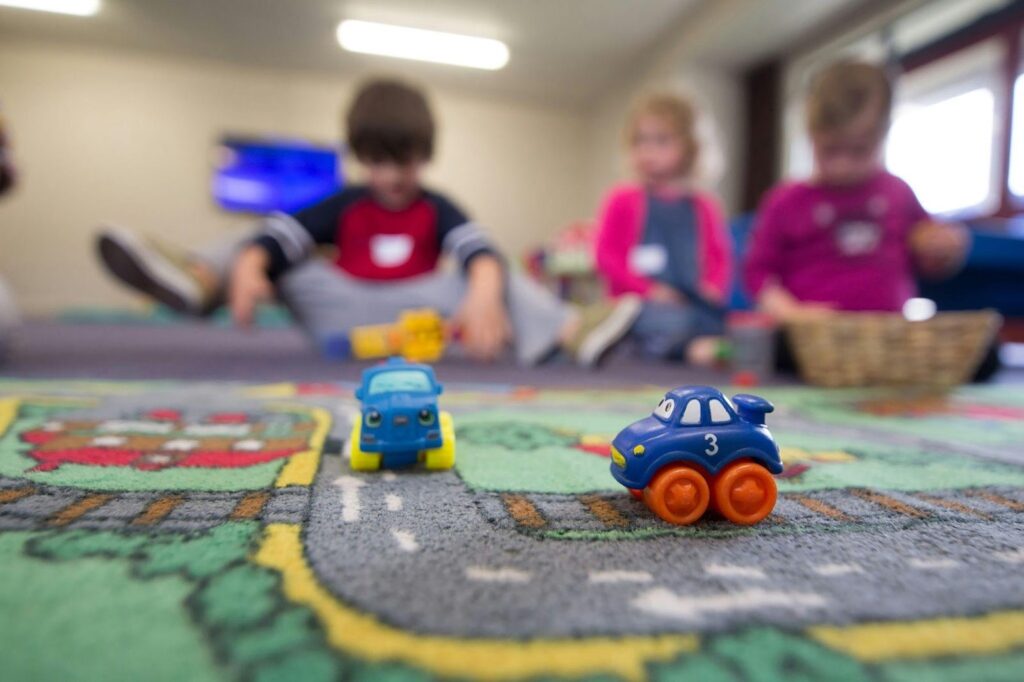
It is not a simple decision to know when to send your child to daycare. Every toddler is an individual, and families typically consider emotional readiness, day-to-day needs, and long-term development when evaluating toddler daycare programs. This decision becomes even clearer when parents understand what to expect and how daycare can support children at different ages.
Understanding Developmental Timing
Many parents ask whether there is an ideal age to start daycare. Although there is no universal solution, most toddler daycare programs are designed for children ages 18 months to 3 years. Language skills develop quickly, curiosity increases, and the urge to play, among other behaviors, emerges during this period. These achievements render group care more valuable and entertaining.
Noticing Readiness in Daily Life
Children usually demonstrate readiness for more social interaction and order. They may include playing with other children, curiosity in new environments, or even cheerfulness when not in the care of their regular caregivers for short periods. The way your child interacts with visitors, new toys, or even short playdates can indicate whether your child will feel comfortable in daycare.
The Role of Routine and Structure
Toddlers love consistency. Quality daycares maintain regular meal and nap/play schedules. Such habits encourage self-reliance and reduce anxiety in most children. Structured days may seem safe because they should be introduced at the right time and help children feel rooted in the new setting.
Social Learning and Interaction
Social development is one of the most significant advantages of toddler daycare programs. In group settings, children are taught to share, cooperate and listen. Such early experiences help develop empathy and patience, particularly when caregivers are experienced and can teach and model respectful behavior. Although not every toddler is instantly social, gentle exposure builds confidence.
Building Language and Communication
Toddlers are exposed to a language-rich environment in daycare. The day has a rhythm and is composed of songs, books, and conversations. Children become familiar with new words and can articulate their needs and feelings more effectively. This consistent exposure can help build speech skills, particularly for children who haven’t started talking yet. The presence of other people also affects the development of nonverbal communication, such as gestures and facial expressions.
Emotional Growth Through Independence
Being away from parents and guardians, even temporarily, promotes emotional maturity. Daycare helps children practice independence in a safe, supportive environment. Packing up their possessions, selecting activities or seeking assistance all help to build a sense of self. Such minor milestones can be stepping stones to other transitions, such as preschool and kindergarten.
When It Might Be Too Soon
It is sometimes worthwhile to wait a little longer. If your child becomes extremely upset when you separate, or is experiencing significant changes, such as a new sibling or a move, begin daycare gradually. Some toddlers may take longer to emotionally adjust before settling into group care. All children grow at their own pace, and being attuned to those rhythms fosters trust and comfort.
Supporting the Transition as a Parent
Effective communication between parents and caregivers is essential to a smooth start. It can be made more comfortable by visiting the daycare beforehand, attending short sessions and getting used to the routine. Home visits help to reinforce what is occurring in the daycare environment. Toddlers follow the emotional cues of people they know well; therefore, confidence and calm help children adapt more easily to new environments.
Practical Considerations Beyond Readiness
In some cases, logistics can affect the choice. Part-time or full-time care may be necessary due to work schedules, family structures or domestic schedules. While emotional preparedness matters, it is also reasonable to consider practical factors when deciding among daycare models. Quality toddler daycare programs are designed to support both parents and children and to provide flexibility and peace of mind.
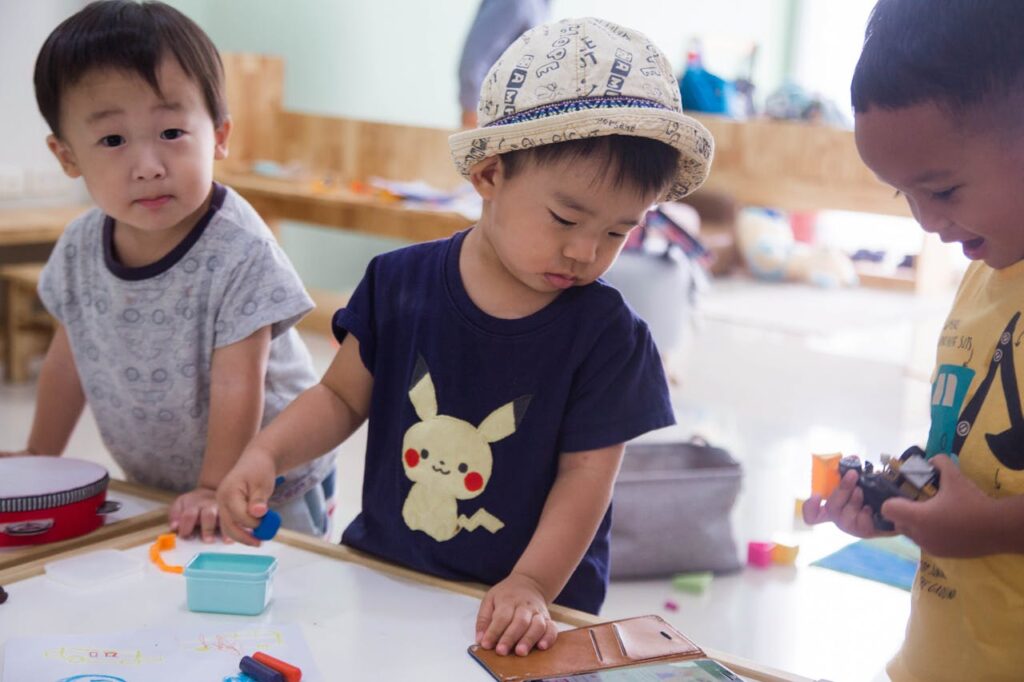
Encouraging Growth Without Pressure
The daycare experience should not be beyond your child’s capabilities, but rather an extension of how they develop. Search for programs in quiet environments, with a small child-to-staff ratio, and activities suitable for short attention spans. These details matter. A well-matched environment will help children adjust more easily, making the experience enjoyable rather than stressful.
A Decision Guided by Your Child
It is a personal choice, as no two toddlers follow the same path. Daycare can open a whole new world of learning and discovery for your child when they are ready, but there is no hurry. You can choose a solution that helps you develop and respect your child’s pace, taking into account their time, temperament, and your household’s rhythm. You will also ensure your child arrives at daycare safe, curious, and prepared by paying close attention to these signs.