
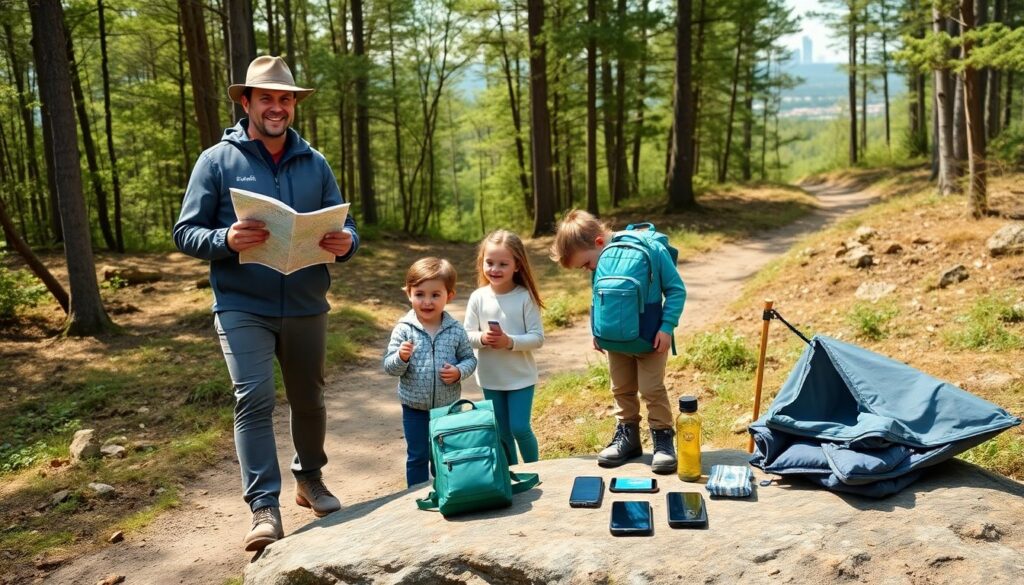
A parent’s guide to safe outdoor adventures oneworldcolumn helps families plan outings that match kids’ ages and skills. The guide gives clear steps to pick routes, pack essentials, and teach simple safety rules. It aims to reduce worry and boost confidence for caregivers. It uses short, direct advice that parents can apply before, during, and after each trip.
Key Takeaways
- A parent’s guide to safe outdoor adventures emphasizes matching hiking routes to children’s age, skill, and stamina to ensure enjoyable and manageable outings.
- Plan realistic distances and rest breaks for kids, considering shorter distances and frequent stops in shaded areas with water access.
- Pack essential gear such as layered clothing, sun protection, snacks, water, and a compact emergency kit to prepare for changing conditions.
- Parents should carry first-aid supplies, communication devices, and navigation tools while teaching children emergency protocols.
- Assess risks by checking weather forecasts, choosing safe routes, understanding local wildlife, and avoiding hazardous terrain.
- Teach children outdoor skills, set clear boundaries, promote Leave-No-Trace principles, and use group supervision strategies that make safety engaging and fun.
Plan Age-Appropriate Adventures For Skill, Stamina, And Interest
Parents should match routes to the child’s age and fitness. A parent’s guide to safe outdoor adventures oneworldcolumn recommends shorter loops for toddlers and gradual increases for older kids. Adults should check trail difficulty ratings and choose one or two clear goals for each outing. Parents should ask children what they enjoy and include a playful element to keep interest. Parents should set clear expectations about pace and behavior before they leave. They should allow extra time for stops and unexpected delays.
Set Realistic Distance, Time, And Rest Breaks For Children
Parents should estimate distance by using past family hikes as a guide. A parent’s guide to safe outdoor adventures oneworldcolumn suggests planning for half the distance adults expect. Parents should schedule regular rest breaks every 15 to 45 minutes depending on age. Parents should pick rest spots with shade and water access. They should watch kids for signs of fatigue and adjust the plan. Parents should end the outing early when children show consistent tiredness or low mood.
Gear, Packing, And Safety Essentials Every Family Should Bring
Parents should pack clothes for changing weather. A parent’s guide to safe outdoor adventures oneworldcolumn lists layered clothing, sun hats, and rain shells. Parents should bring snacks, water, and a small towel. They should carry a compact emergency kit with bandages, antiseptic, and blister care. Parents should pack a lightweight blanket or tarp for shelter. They should fit each child with appropriate footwear and a small daypack they can handle. Parents should check gear the night before to avoid last-minute runs.
First-Aid, Emergency Communication, And Navigation Tools
Parents should know basic first-aid skills and practice them at home. A parent’s guide to safe outdoor adventures oneworldcolumn recommends a compact first-aid kit and an extra pair of gloves. Parents should carry a charged phone and a simple backup power bank. They should use a reliable map and a physical compass for areas with poor signal. Parents should teach older children how to call emergency services and give a clear location. They should leave a detailed plan with a trusted contact before they go.
Risk Assessment: Choose Safe Routes, Check Weather, And Know Wildlife Risks
Parents should check weather forecasts the night before and the morning of the trip. A parent’s guide to safe outdoor adventures oneworldcolumn advises choosing routes with clear exit points. Parents should avoid steep, slippery, or exposed terrain with young children. They should learn about local wildlife and follow simple rules like storing food away and giving animals space. Parents should scan for hazards such as loose rock, sudden drop-offs, or fast water and plan detours. They should cancel or shorten plans when forecasts show severe weather.
Teach Kids Outdoor Skills, Boundaries, And Leave-No-Trace Habits
Parents should teach children to stay on the trail and respect posted signs. A parent’s guide to safe outdoor adventures oneworldcolumn encourages hands-on skill practice like tying simple knots and reading a map. Parents should set clear boundaries for where children can go and name safe meeting points. They should teach kids to pack out trash and leave plants and animals undisturbed. Parents should model calm behavior during problems so children learn how to respond to small setbacks.
Managing Groups, Supervision Strategies, And Making Safety Fun
Parents should keep groups small or split into pairs with a leader. A parent’s guide to safe outdoor adventures oneworldcolumn advises using a buddy system for older kids and direct sightlines for younger ones. Parents should assign simple tasks like route scouting or snack manager to give kids responsibility. They should turn safety checks into a game, such as timing how fast the group ties boots. Parents should praise good choices and keep a calm tone when they correct behavior to maintain a positive mood.