
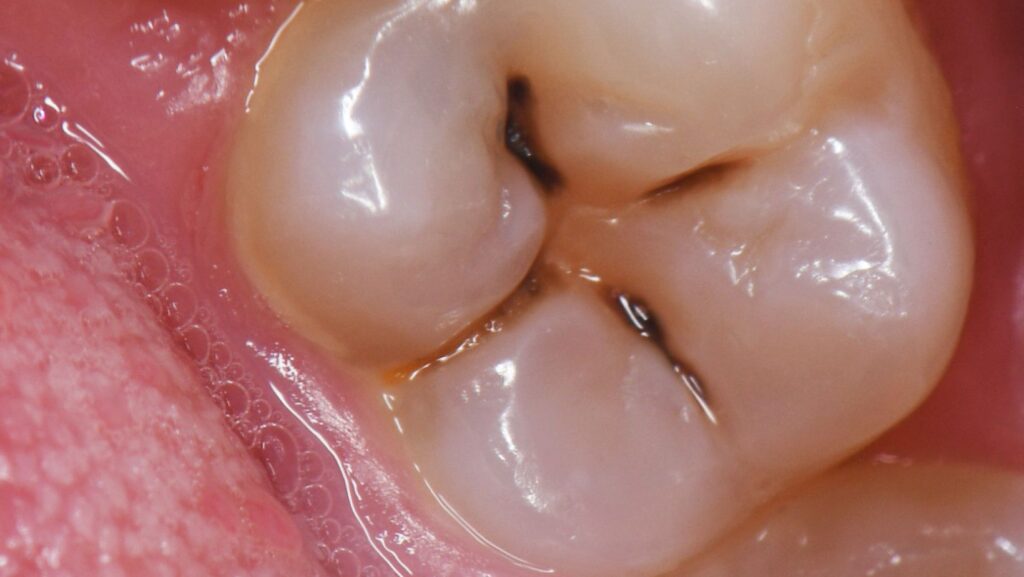
You’ve probably met someone who rarely brushes, eats sugar all day, and still never seems to get a cavity. Then there’s the other group — the people who brush thoroughly, floss often, visit their dentist regularly, and somehow still end up with tooth decay. It feels unfair, but it’s more common than you think. Cavities aren’t caused by just one thing. They’re the result of a mix of habits, genetics, biology, and even timing.
That’s why a routine check-up with a dentist Matraville or your local dental clinic can be so important. Sometimes the reason someone gets cavities easily has nothing to do with “bad brushing” and everything to do with the hidden factors happening inside their mouth.
Here’s why some people are simply more prone to cavities — and what you can do to stay ahead of them.
Your Mouth’s Natural Chemistry Matters
Everyone’s saliva is different. Some people naturally produce saliva that neutralises acid faster, washes away food particles more efficiently, or contains more minerals that help protect enamel. Others have saliva that’s thinner or less effective at balancing the mouth’s pH.
If your saliva doesn’t buffer acids well, your enamel softens more quickly, making it easier for decay to form. This is something most people don’t realise — but it plays a huge role.
Genetics Influence Tooth Strength
Not all enamel is created equal. Some people are born with naturally stronger enamel that resists erosion and decay. Others have enamel that’s thinner, softer, or more porous.
Genetics can also affect:
- The shape of your teeth
- The depth of your grooves and pits
- The alignment of your bite
- How easily food gets trapped
Deep grooves, for example, make it much easier for bacteria to settle in — even with great brushing habits.
Hidden Sugar Is Everywhere
Many people underestimate how much sugar they actually consume because it’s hidden in everyday foods like:
- Sauces
- Yoghurt
- Cereals
- “Healthy” snacks
- Juices
- Sports drinks
Even small amounts throughout the day — especially if eaten frequently — create repeated acid attacks on your teeth.
It’s not always the amount of sugar but the frequency that matters most.
Your Eating Pattern Affects Your Mouth More Than You Think
Someone who eats three meals a day with minimal snacking might have fewer cavities than someone who grazes all day, even if they eat the same amount of sugar.
Each time you eat, your mouth becomes more acidic. If you snack constantly, your teeth spend more time under acid attack and less time rebuilding.
This is why:
- Sipping soft drinks all day
- Constant snacking
- Nursing a coffee with sugar for hours
can be worse than eating a sweet treat in one sitting.
Some People Have More Cavity-Causing Bacteria
The bacteria Streptococcus mutans is one of the main culprits in tooth decay. Some people simply have more of it in their mouths, either through genetics, early exposure, or habits.
This bacteria thrives on sugar and produces acids that break down enamel. If you naturally have more of it, you’re at a higher risk — even if you brush well.
o combat this biological disadvantage, individuals with higher bacterial counts may benefit from more frequent professional cleanings and targeted antibacterial rinses. If you check out this dentist in Staten Island NY now, they’ll tell you that by closely monitoring your oral microbiome with the help of a dentist, you can implement customized preventative strategies that go beyond standard brushing to keep decay at bay.
Dry Mouth Makes Cavities More Likely
Dry mouth is a major cause of tooth decay. Without enough saliva, your mouth can’t wash away food or neutralise acid, and your enamel can’t rebuild as effectively.
Dry mouth can be caused by:
- Medications
- Stress
- Mouth breathing
- Dehydration
- Certain medical conditions
People with dry mouth often get multiple cavities at once because their teeth lose their natural protection.
Some People Brush — But Not Effectively
Brushing alone isn’t always enough. Many people brush regularly but still miss:
- The gumline
- Back molars
- Deep grooves
- The inside surfaces
Small areas left uncleaned become easy spots for decay to start.
This doesn’t mean someone is doing something “wrong” — mouths vary, and some require different techniques or tools.
Acidic Habits Wear Down Enamel
Foods and drinks high in acid soften enamel, making it easier for bacteria to attack. These include:
- Soft drinks
- Sparkling water
- Citrus fruits
- Tomato-based foods
- Vinegar-heavy dressings
Brushing immediately after acidic foods can worsen the damage because softened enamel is more vulnerable.
Past Dental Work Can Make Teeth More Vulnerable
Fillings, crowns, and other dental work help repair damage — but they can also create areas where bacteria hide. Over time, tiny gaps can form around older fillings, making the surrounding tooth more susceptible.
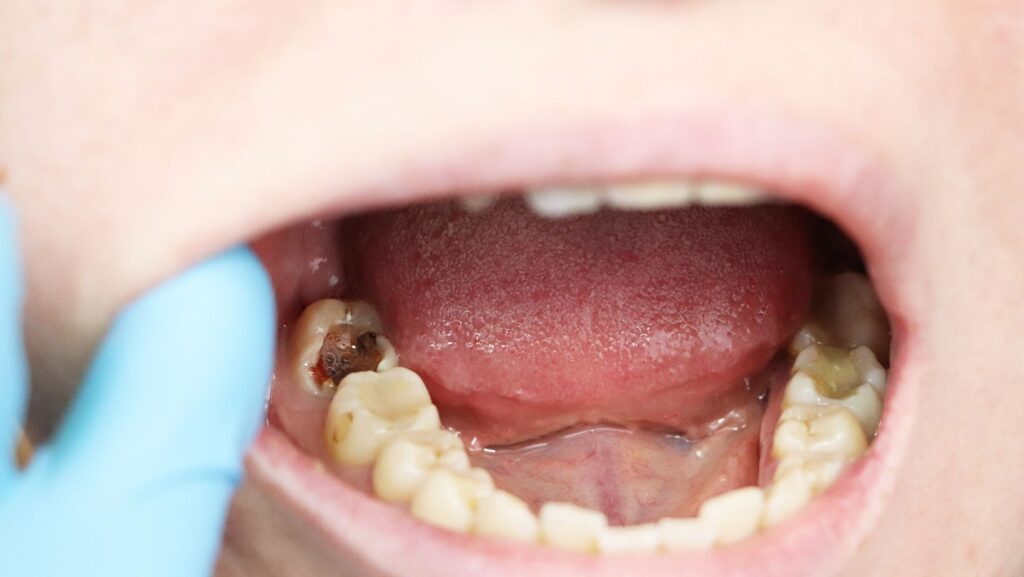
This is one reason dentists monitor older dental work closely.
What You Can Do If You’re Prone to Cavities
Being “cavity-prone” isn’t a life sentence. Small changes can dramatically reduce your risk.
Try:
- Drinking more water throughout the day
- Reducing frequent snacking
- Using fluoride toothpaste and mouthwash
- Chewing sugar-free gum to boost saliva
- Cleaning between your teeth more consistently
- Switching to a soft-bristle toothbrush
- Waiting 30 minutes after acidic foods before brushing
These habits strengthen enamel and reduce the chances of decay.
Cavities Aren’t Just About Brushing — They’re About Understanding Your Mouth
People who get cavities easily often feel frustrated or judged, but the reality is that tooth decay is influenced by a mix of biology, habits, and everyday behaviours. When you understand the hidden factors behind it, you can take steps to protect your teeth more effectively — and feel more in control of your oral health.