
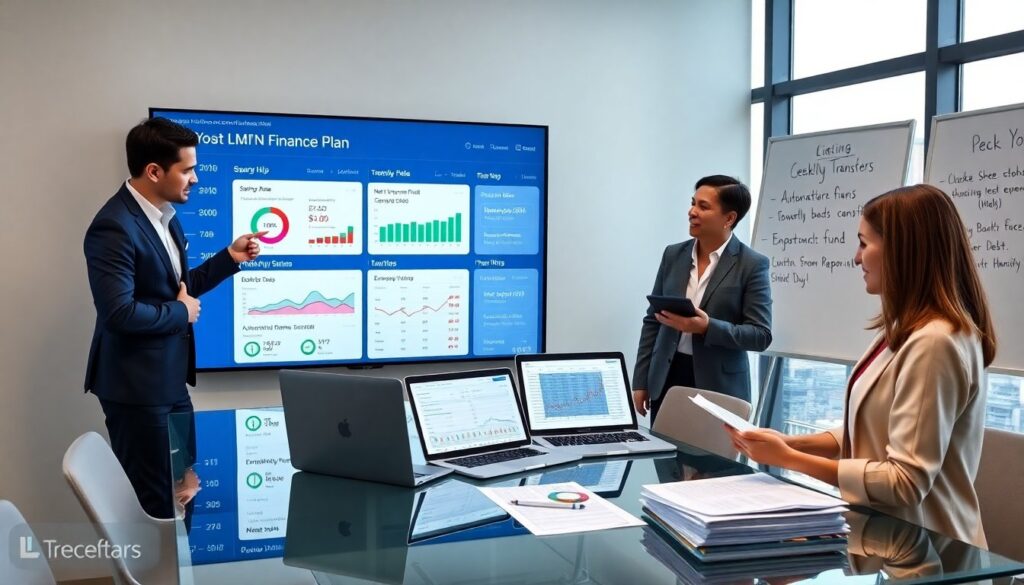
Comprehensive boost owclmn finance plan gives a clear path to save more and earn more in 2026. It sets targets, tracks metrics, and aligns daily choices with money goals. The plan helps people fix cash flow, cut waste, and build a reserve. It also shows practical steps to increase income. Readers learn specific actions they can apply this month.
Key Takeaways
- The comprehensive boost owclmn finance plan emphasizes setting clear, measurable financial goals with specific baseline metrics to track progress effectively.
- Optimizing cash flow through budgeting, targeted debt repayment strategies, and building a tiered emergency fund forms the foundation of financial stability in the plan.
- Automating income allocation and debt payments reduces friction and maintains consistent progress toward money goals.
- Negotiating bills and cutting high-impact recurring expenses frees up funds to accelerate savings and debt reduction.
- Increasing income through side gigs or skill upgrades complements cost-cutting measures for greater financial growth.
- Regular monthly reviews and documentation of actions help refine the plan and sustain momentum toward long-term financial success.
Set Clear Financial Goals And Baseline Metrics
People start the comprehensive boost owclmn finance plan by naming goals. They list short-term targets like a three-month emergency fund and medium-term targets like a six-month debt reduction. They list long-term targets like a retirement cushion or rental income. They make each goal specific, measurable, and dated.
They record baseline metrics next. They note monthly income, fixed expenses, variable expenses, total debt, and current savings. They calculate net monthly cash flow by subtracting expenses from income. They measure debt-to-income and savings rate. These numbers show where to focus effort.
They set benchmarks that trigger action. For example, if savings rate falls below 10%, they review spending. If debt drops by 5% in six months, they increase contributions to investments. The plan keeps metrics simple so they can track progress weekly.
They assign responsibilities. One person monitors accounts, another negotiates bills, and one schedules automated transfers. They create a single dashboard or spreadsheet for all metrics. They update the dashboard each week and review the numbers monthly.
They use the baseline to choose the next high-impact move. If the baseline shows high-interest debt, they prioritize a focused repayment. If the baseline shows low emergency savings, they pause new investments and build the cushion. The clear metrics guide consistent choices in the comprehensive boost owclmn finance plan.
Optimize Cash Flow: Budgeting, Debt Strategy, And Emergency Fund
The comprehensive boost owclmn finance plan improves cash flow first. It starts with a simple budget. The budget lists income sources and categorizes expenses into fixed, necessary variable, and discretionary. They set a target savings percentage and route that amount to accounts before spending.
They apply a debt strategy next. They choose either snowball or avalanche methods based on psychology and math. They pay minimums on all debts and direct extra funds to the chosen target. They refinance or transfer high-rate balances when offers reduce interest by a clear margin.
They build an emergency fund in tiers. Tier one covers two weeks of pay and lives in a checking account they use daily. Tier two covers three months of core expenses and sits in a high-yield savings account. Tier three holds six months of expenses and can include low-risk investments for slightly higher returns.
They protect cash flow with insurance reviews. They confirm adequate health and disability coverage. They check auto and home policies for needed discounts and sufficient deductibles. Proper insurance prevents a single event from destroying progress in the comprehensive boost owclmn finance plan.
They create rules for windfalls. They allocate any bonus or tax refund to the emergency fund, debt repayment, and a small share for personal spending. This rule prevents windfalls from disappearing and accelerates growth. These simple rules keep cash flow steady and compound gains.
Tactical Steps: Automations, Negotiations, And High-Impact Cuts
The comprehensive boost owclmn finance plan uses tactics that save time and money. They automate first. They set up direct deposit to split income into checking, savings, and investment accounts. They automate minimum debt payments and extra principal transfers. Automation removes decision friction and keeps progress steady.
They negotiate bills next. They call providers for internet, phone, and insurance. They ask for loyalty discounts and matched competitor offers. They time calls six weeks before renewal dates to gain leverage. Small reductions add up fast when they compound over months.
They cut high-impact costs. They list recurring subscriptions, premium services, and little-used memberships. They cancel or downgrade items that deliver low value. They shop for lower-cost alternatives for groceries, utilities, and transportation. They measure savings from each cut and reallocate that money to savings or debt.
They increase income in parallel. They identify one freelance gig, side project, or skill upgrade that can add reliable cash. They allocate two to four hours weekly to the income channel. They track hours and earnings to confirm the channel justifies the effort.
They optimize investments for income growth. They favor low-cost ETFs and dividend strategies when appropriate for the investor profile. They rebalance annually and avoid frequent trading. They set a simple allocation and stick to it unless life or goals change.
They review progress every month. They note which automation failed, which negotiation saved money, and which cuts hurt quality of life. They adjust the plan and repeat the most effective steps. Continuous small wins lead to larger gains under the comprehensive boost owclmn finance plan.
They document learnings. They keep a short log of actions and outcomes. They use that log to refine tactics and to teach others in their household. The log helps sustain momentum and prevents repeating mistakes.