
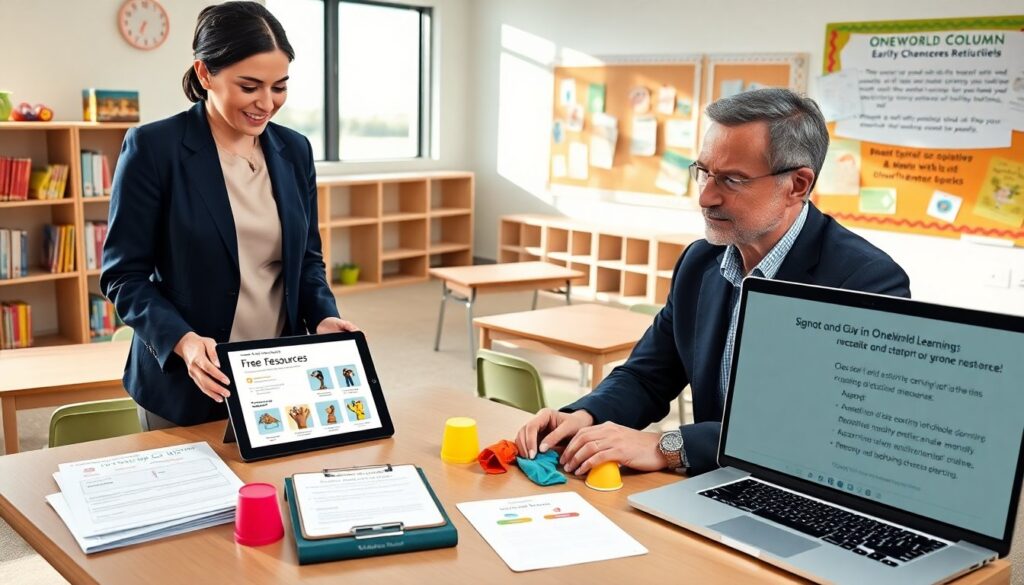
owcchilddevelopment free resources oneworldcolumn help teachers and parents find ready materials. The guide explains what OWC Child Development is and what the OneWorld Column offers. It shows key free resources and how staff, families, and volunteers can use them. The guide also explains how to access downloads and get ongoing support. The language stays clear and practical for immediate use.
Key Takeaways
- OWC Child Development offers the OneWorld Column, a nonprofit resource providing free, evidence-based early childhood materials for teachers and parents.
- The OneWorld Column features practical, easy-to-use free resources including early learning activity packs and lesson plans designed for ages 0–6, using everyday items and clear learning goals.
- Teachers and parents can integrate these resources into daily routines to support language, motor, and social skills while ensuring consistent practice across home and school environments.
- All resources are accessible as downloadable PDFs and videos from the OneWorld Column website, with options for bulk printing and multilingual translations.
- Users can subscribe to monthly emails for updates, participate in peer forums, and receive prompt technical support to maximize resource use.
- The OWC Child Development project emphasizes practical guidance and ongoing support to save preparation time and improve child engagement effectively.
What Is OWC Child Development And The OneWorld Column?
OWC Child Development is a nonprofit project that shares early childhood tools. The project publishes the OneWorld Column for educators and caregivers. The OneWorld Column covers child growth, learning strategies, and classroom tips. The team posts short articles and practical guides each month. They update content to reflect current research and field feedback. Teachers and parents read the column for concise, evidence-based ideas. The column links to free downloads and printable materials. The project aims to make quality resources available at no cost.
Top Free Resources From OWC Child Development
OWC Child Development lists several free resources in the OneWorld Column. The list focuses on tools that teachers and parents can use right away. Each resource includes clear steps, materials lists, and expected outcomes. The project groups resources by age, setting, and skill. Users can filter by language and topic. The column highlights seasonal packs, communication guides, and inclusive practices. The team keeps resources short and practical. The resources aim to save prep time and improve child engagement.
Early Learning Activity Packs And Lesson Plans
OWC Child Development posts activity packs for ages 0–6. Each pack includes a week of lesson plans and a materials checklist. The packs use household items and low-cost supplies. The lessons name learning goals and steps. They give clear prompts for play, songs, and books. The packs include assessment notes to track progress. Teachers can print the packs or display them on a tablet. Parents can adapt the packs for short home sessions. The packs support language, motor, and social skills.
How To Use These Resources In Classrooms And At Home
Teachers can slot an activity pack into a weekly plan. They can assign one short activity per day for small groups. The materials list helps staff prepare quickly. Staff can use checklist notes to record progress during circle time. Parents can set a 10–15 minute daily routine based on a parent guide. They can use cue cards to support transitions and behavior. Care teams can share links in newsletters and at pickup. The approach keeps practice consistent across home and school.
How To Access, Download, And Get Ongoing Support
Users can visit the OneWorld Column page to find free files. The site lists downloadable PDFs and video links. Users can sign up for a monthly email to get new packs and alerts. The project offers a simple forum for questions and peer tips. Schools can request bulk copies or low-cost print runs through a contact form. Volunteers can join translation teams through a sign-up link. For technical help, the site provides an FAQ and a support email. The team replies to common queries within three business days.