
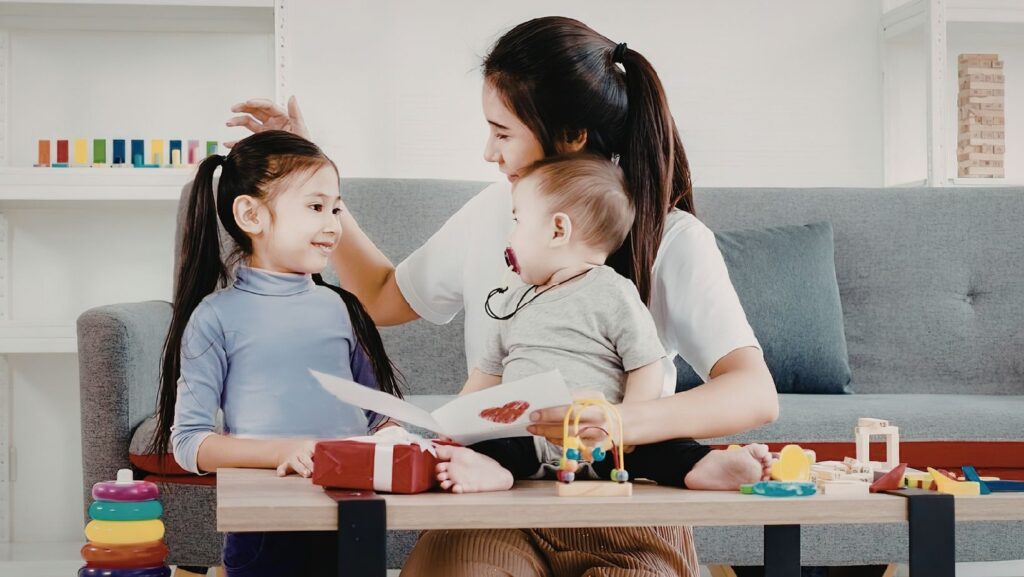
In Clive and other places around Iowa, something subtle has changed in how families approach early learning. It’s no longer just about finding a safe place during work hours. It’s about identifying environments that can quietly carry global standards of excellence while still feeling personal, grounded, and human.
Parents aren’t just asking “Is this available?” anymore. They’re asking “Is this built to last in how it shapes my child?” That shift changes everything.
1. Why Accreditation Matters: The Difference Between “Allowed to Operate” and “Built to Excel”
Here’s the uncomfortable truth most people only realize after they start comparing options: licensing is the entry point, not the finish line. Licensing simply means a center meets minimum requirements to function.
However, accreditation is something else entirely; it reflects discipline, culture, and continuous self-correction. When families start looking closely at accredited childcare in Clive, the real distinction becomes clearer:
Ø State licensing = basic safety + legal operation
Ø National accreditation = teaching depth, educator development, and structured accountability
But the deeper signal isn’t the certificate, it’s the behavior behind it. If you want to asses such a system, you can Schedule a tour at Primrose School of West Des Moines and understand how accredited institutions reflect an aspect of coherent internal discipline: optimized environments, training cycles, classroom audits, and structured developmental tracking. It signals that a program is not just operating, but actively refining itself.
For families, this becomes less about credentials on paper and more about whether the environment is engineered for long-term developmental integrity. That’s the difference families start to feel, not just read.
2. Seek Observational Reality: Why You Don’t Really Know a Center Until You Stand Inside It
No brochure survives a real classroom moment. That’s why families are increasingly stepping away from assumptions and choosing to see environments in motion. Making an intentional visit to institutions before making final decisions is a very practical of. Because once you’re inside, the evaluation becomes different. It stops being theoretical.
You notice things like:
Ø Whether the environment feels clean in real time, not staged cleanliness
Ø Whether children are moving through space calmly or chaotically
Ø Whether teacher-child interaction feels natural, or slightly rehearsed for visitors
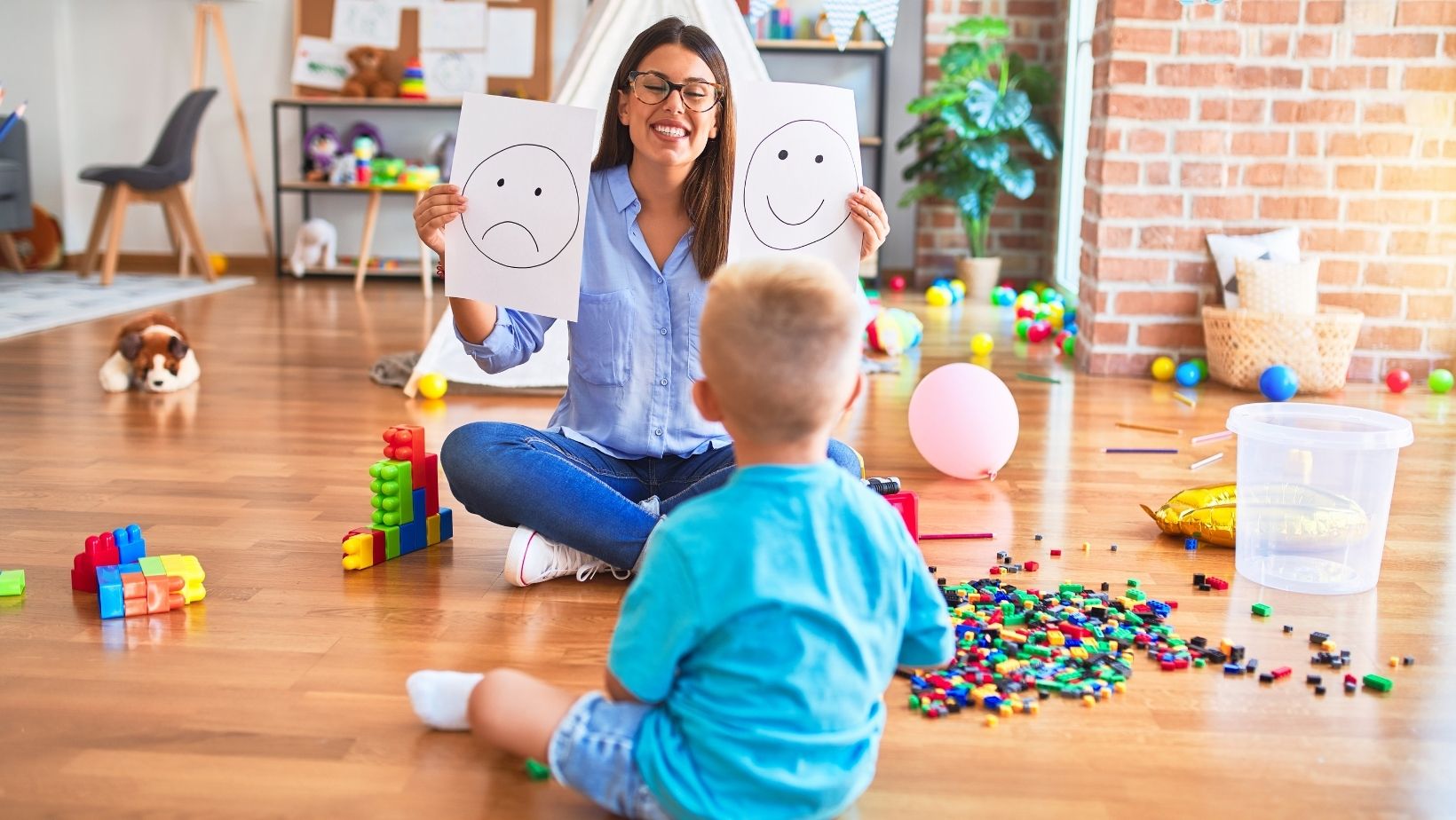
And then there are the quieter signals, the ones people rarely talk about; how transitions feel, how voices are used, how quickly the room recovers from disruption. These are not “details.” They are the system revealing itself. And often, that lived experience tells you more in ten minutes than a website does in ten pages.
3. Diverse Learning Styles: Where Teaching Finally Stops Assuming Every Child Thinks the Same Way
One of the biggest quiet upgrades in modern early education is this: children are no longer treated like they learn in a single uniform pattern. Strong environments design for difference, not average.
That usually looks like:
Ø Visual learners: guided by imagery, color structure, and demonstration-based instruction
Ø Auditory learners: supported through rhythm, storytelling, and shared verbal interaction
Ø Kinesthetic learners: engaged through movement, hands-on building, and physical exploration
But the real strength isn’t in separating these styles—it’s in blending them throughout the day so children move between modes naturally. In practice, this creates something important: less resistance, more flow.
Because when a child is allowed to learn in the way their mind already works, you don’t force comprehension, you unlock it. That’s where teaching becomes less about instruction and more about design.
4. The Indoor–Outdoor Balance: Where Confidence Is Quietly Built Through Movement
One of the most underestimated parts of early education is space itself. Not just what happens inside the classroom—but how the entire environment is structured between indoors and outdoors.
Strong programs don’t treat these as separate worlds. They treat them as a single system:
Ø Indoor spaces = focus, creativity, guided learning, emotional regulation
Ø Outdoor spaces = movement, exploration, risk-managed confidence building
Ø Transitions = emotional resets that keep children balanced instead of overstimulated
And here’s what most often miss out, physical play isn’t just physical. Running, climbing, balancing; these are early lessons in confidence, control, and spatial awareness. They quietly shape how children handle challenge later in life.
When environments allow that kind of movement without fear or restriction overload, something important happens; children stop hesitating so much in unfamiliar situations. That confidence carries forward far beyond the playground.
In essence, choosing childcare in Clive isn’t really about selecting a service—it’s about identifying which systems are capable of maintaining integrity when real life pressure is applied. The strongest environments don’t rely on promises. They rely on consistency you can actually feel when you step inside.